Tell us about the job
Takes about a minute. No obligation.
A boiler repair in Clayton County starts with a question a contractor has to settle before they can quote the job: which components failed because of sustained operating stress, and which failed because they were never serviced. 119 severe weather events were recorded in Clayton County, Iowa between 2015 and 2024. At that rate, the weather here is a standing condition for any heating system, and a contractor opening a boiler will check heat exchangers, pressure relief valves, and circulator pumps with that load already in mind. What they find in those parts tells them whether the repair is a targeted fix or the start of a longer conversation about the system's condition.
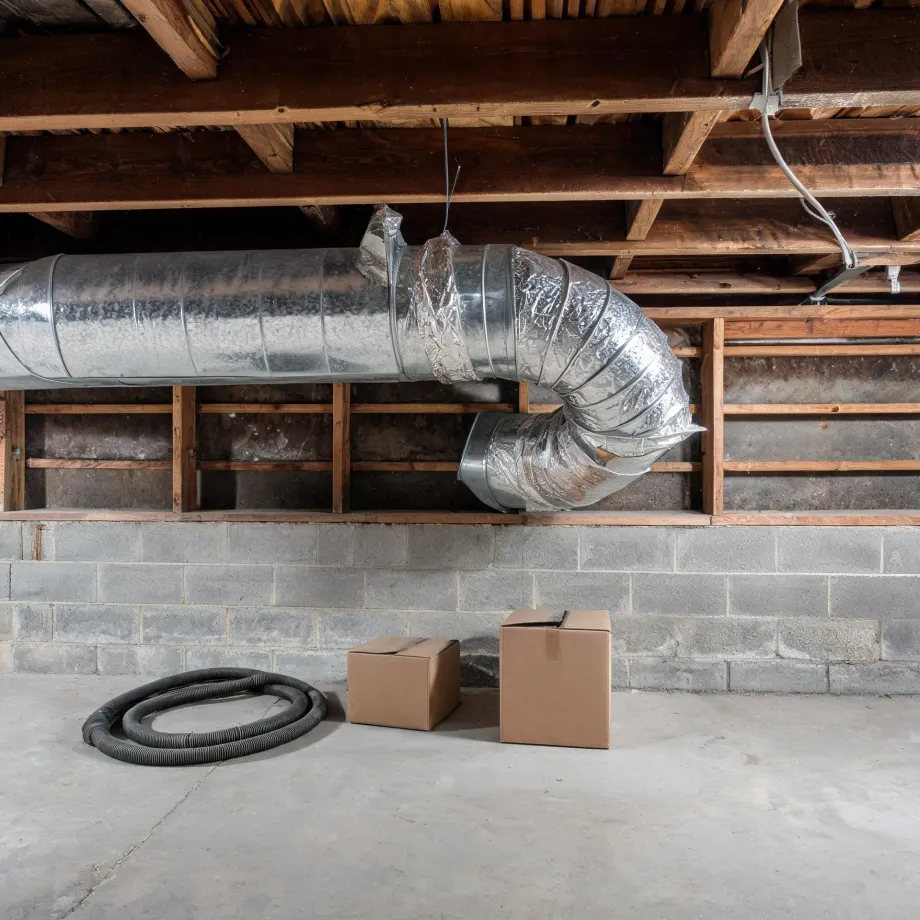
Boilers in housing stock this old have frequently outlasted the manufacturers that built them, and what a contractor finds once the unit is open shapes every decision that follows. Half the homes in Clayton County, Iowa were built in 1960 or earlier (2020-2024 ACS 5-year). A system that predates the equipment now common in the trade may take parts a distributor has to locate rather than stock, and that search changes the repair timeline and the quote. Heat exchangers, zone valves, and pressure relief components in a boiler of this age are worth inspecting before any price is set.
The Parts of a Boiler a Contractor Checks First
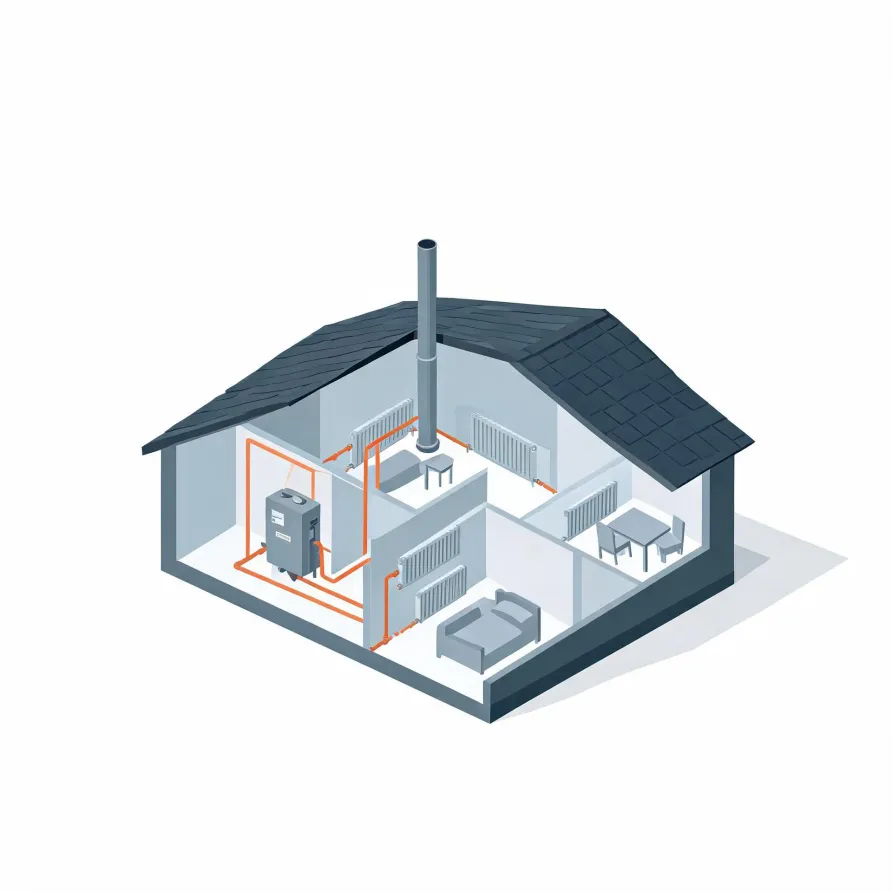
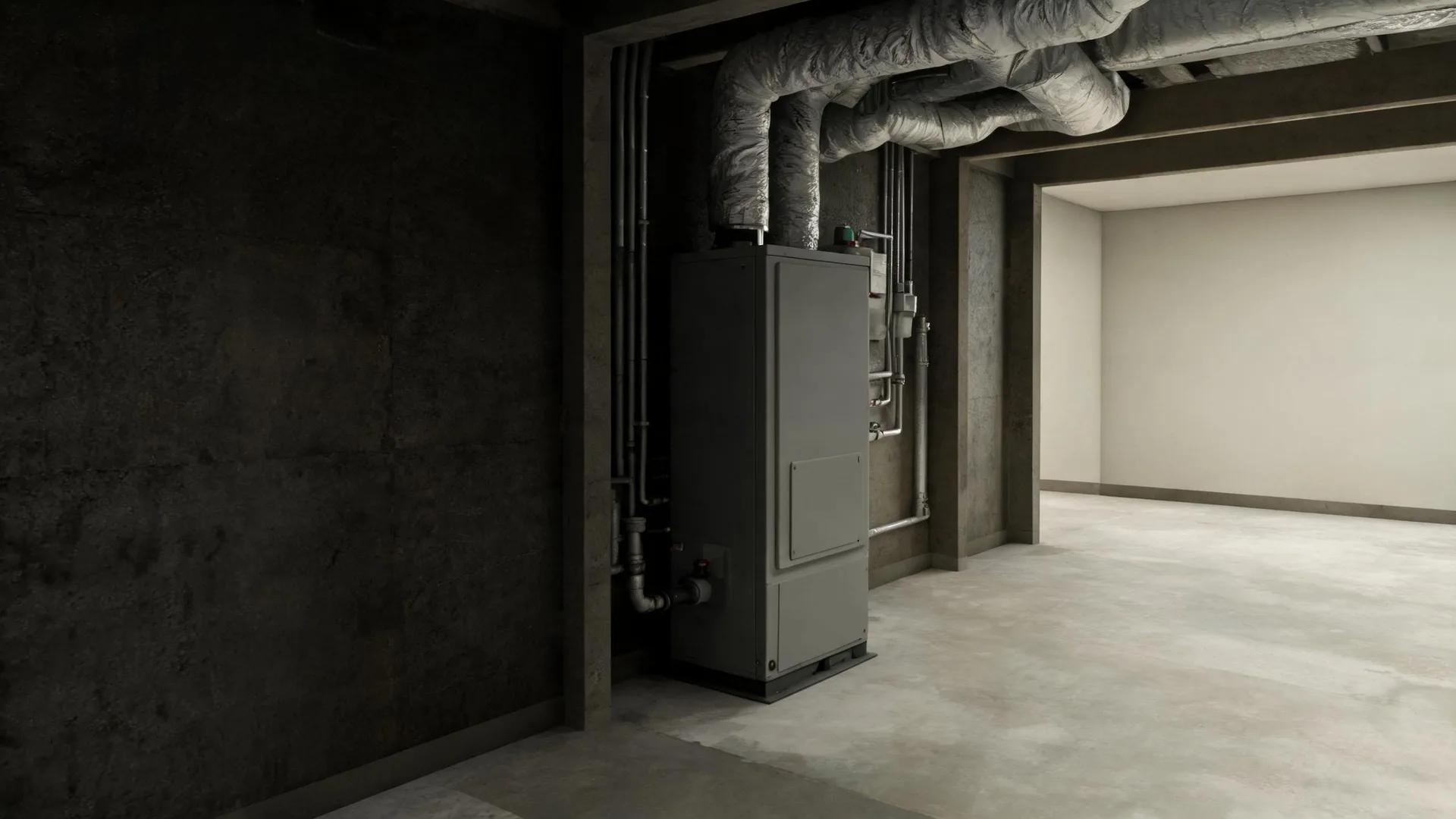
The boiler itself sits in a mechanical room, basement, or utility closet and is the piece that heats water and circulates it through the system. When a boiler is the source of trouble, a contractor looks at the burner assembly, the heat exchanger, and the pressure and temperature controls mounted on or near the unit, since faults in any of these will stop the system or make it run badly.
From the boiler, pipes carry heated water to radiators or radiant panels in the living spaces, and those terminal units are where heat actually enters the rooms. The circulator pump moves the water through that loop, and the expansion tank absorbs pressure changes as water heats up. Both sit close to the boiler and are common stops on a repair diagnosis.
The drawing shows a typical boiler layout, and a licensed contractor determines which components and connections apply to your specific system.
Get matched in Clayton CountyClayton County, Iowa, by the numbers
119 severe weather events were recorded in Clayton County, Iowa between 2015 and 2024.
NOAA National Centers for Environmental Information, Storm Events Database, bulk CSV export, events 2015-01-01 through 2024-12-31.Half the homes in Clayton County, Iowa were built in 1960 or earlier (2020-2024 ACS 5-year).
U.S. Census Bureau, 2020-2024 American Community Survey 5-Year EstimatesClayton County, Iowa holds 8,796 housing units (2020-2024 ACS 5-year).
U.S. Census Bureau, 2020-2024 American Community Survey 5-Year EstimatesOwners occupy 78.0% of the occupied homes in Clayton County, Iowa (2020-2024 ACS 5-year).
U.S. Census Bureau, 2020-2024 American Community Survey 5-Year EstimatesBoiler Repair Rules and Codes for Clayton County, Iowa1 sourced rules & standards
Licensing and Legal Requirements in Clayton County, Iowa
Iowa requires a state licence to install or repair HVAC, refrigeration, mechanical or plumbing systems, and to operate as a contractor, with exceptions listed in section 105.11.
Severe Weather Events in Clayton County
Hard weather puts real stress on boiler systems, and Clayton County gets its share of conditions that push heating equipment to work harder and fail sooner. That workload history is why local repair demand looks the way it does, and why a contractor who knows this area is the right call.
119 severe weather events, 2015–2024. Source: NOAA National Centers for Environmental Information, Storm Events Database.