Calling around on your own
You're checking reviews, calling a few companies, explaining the same no-heat problem each time, then waiting to see who calls back first.
A boiler pro near you
A boiler that won't fire in the middle of an Iowa winter usually comes down to a handful of things: a pilot or igniter that failed, low water pressure, a pressure switch, or a thermostat not calling for heat the way it should. This page walks through what to check first and when it's past what you can fix yourself, so you're not stuck calling around to find someone who can come look at it.
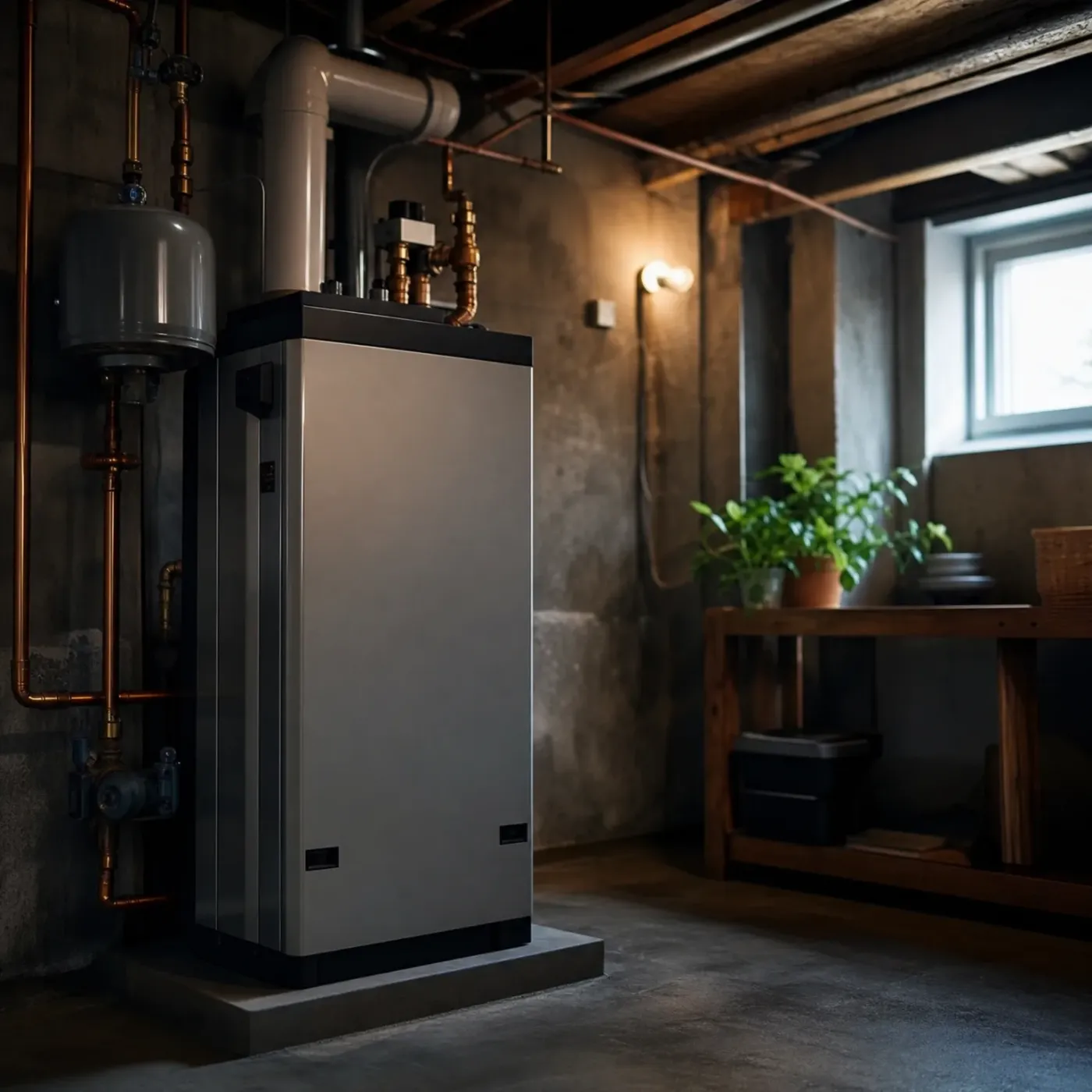
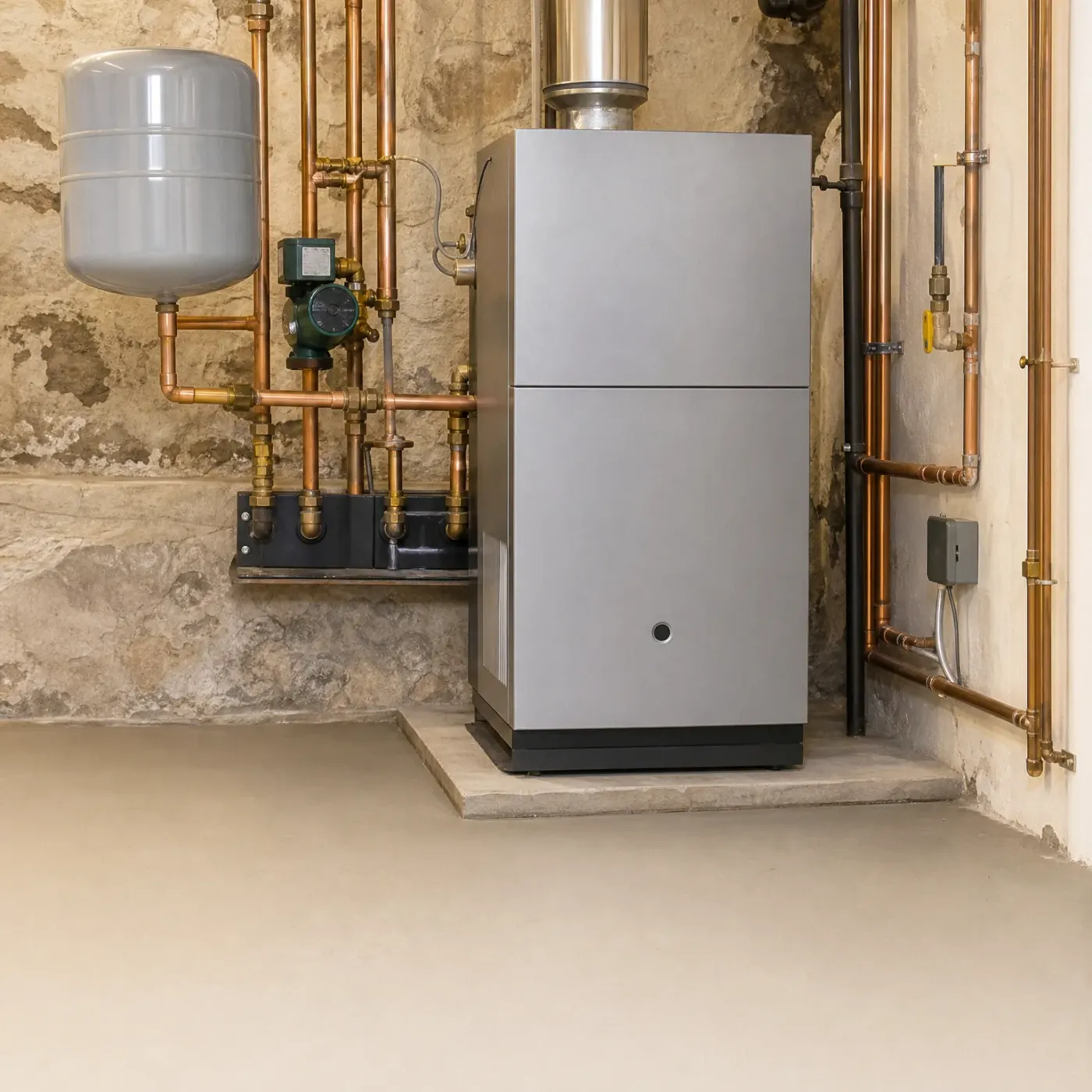
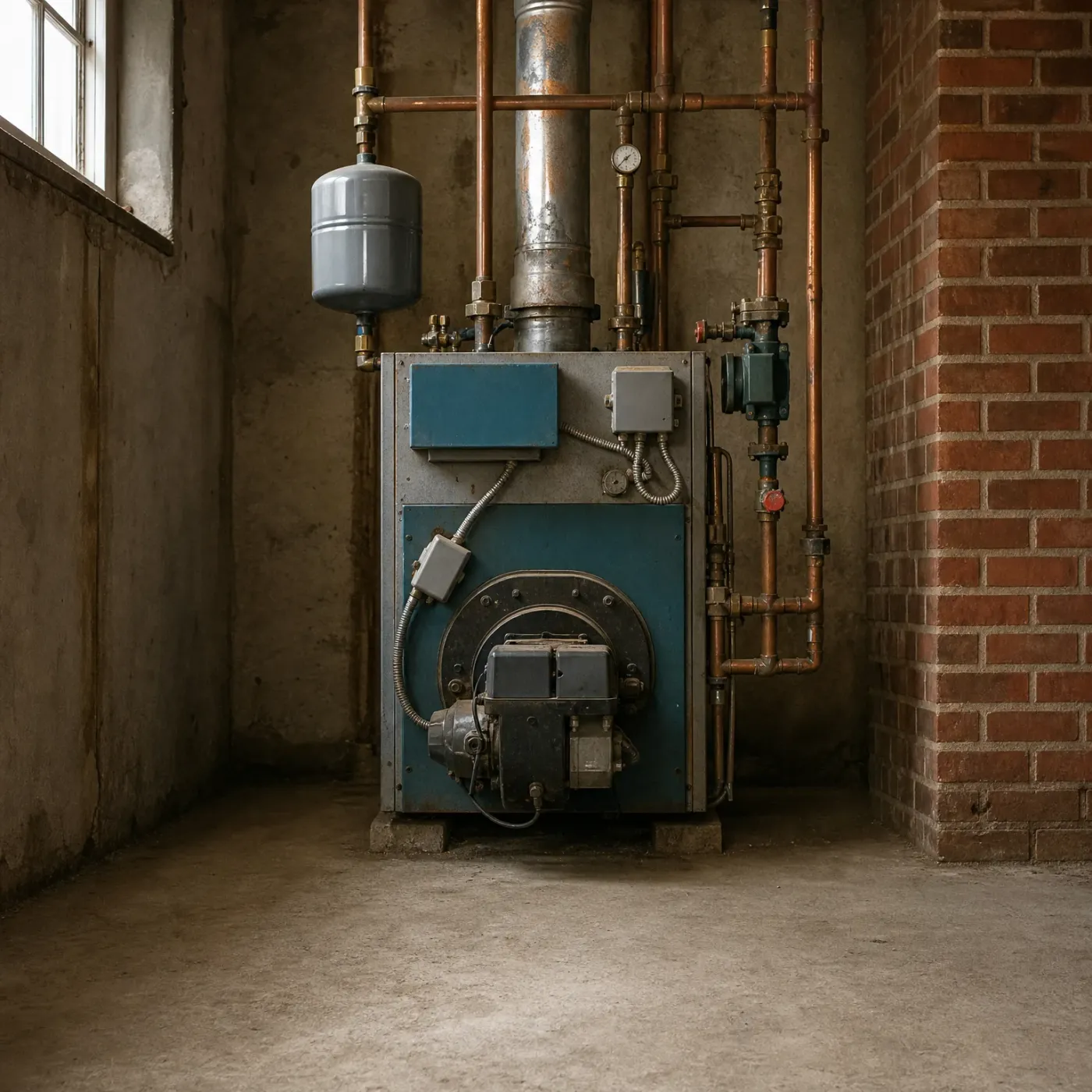
Match me with a proWhen a boiler won't turn on, the cause is usually simple even when the timing feels like the worst possible moment. Low water pressure is the most common one. Boilers need a minimum pressure to fire, and a system that's dropped below it will shut itself off rather than run dry. A pilot light that's gone out or an igniter that's failed will do the same thing. So will a pressure switch that's stuck or a thermostat that isn't sending the call for heat at all. Some of these a homeowner can check: the pressure gauge should read in the range marked on the dial, and a reset button on the control panel is usually meant to be tried once. If the pressure is fine, the pilot is lit, and it still won't start, the problem is inside the boiler itself and needs a hand that knows the system.




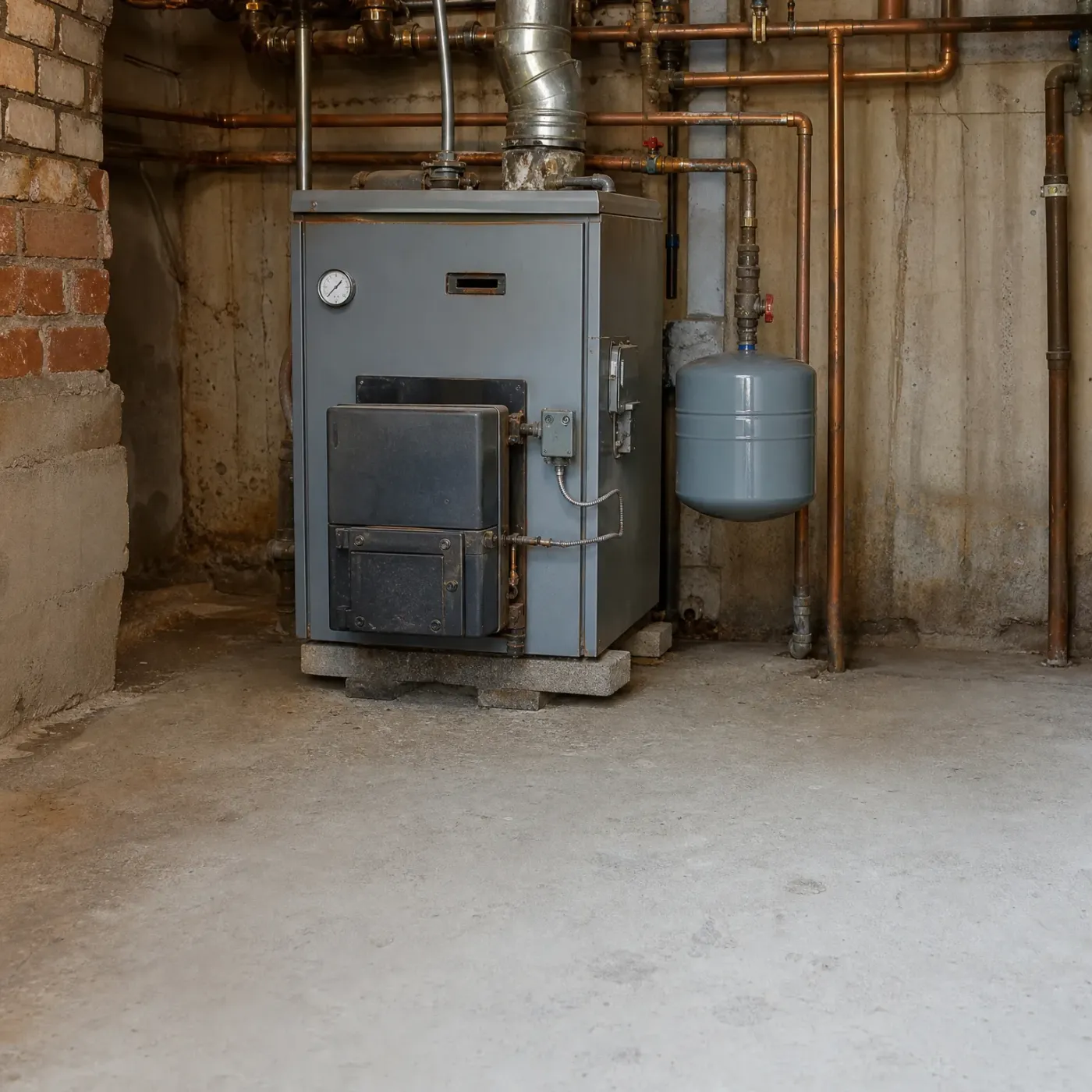
A boiler fires in steps, and it only takes one of them stalling to keep the whole thing dark. The circulator pump starts, the inducer fan proves it's pulling draft, then the igniter or pilot lights the burner. If the pressure switch doesn't close, the control board reads that as the fan not moving enough air, and it blocks ignition on purpose rather than risk lighting a burner with no draft. Low water pressure causes a lot of these no-fires, usually from a relief valve or bleed point that's let water out slowly over weeks without anyone noticing. On high-efficiency units, the condensate line matters too. It's built to trap water, and a clog, or a section that's frozen where it runs outside, will stop the unit cold. Even when gas and water pressure are fine, the flame sensor has to see the burner flame within a few seconds of ignition or the board shuts the gas valve again as a safety check. And none of it starts without a thermostat actually calling for heat, which a dead battery or a loose wire will quietly prevent.
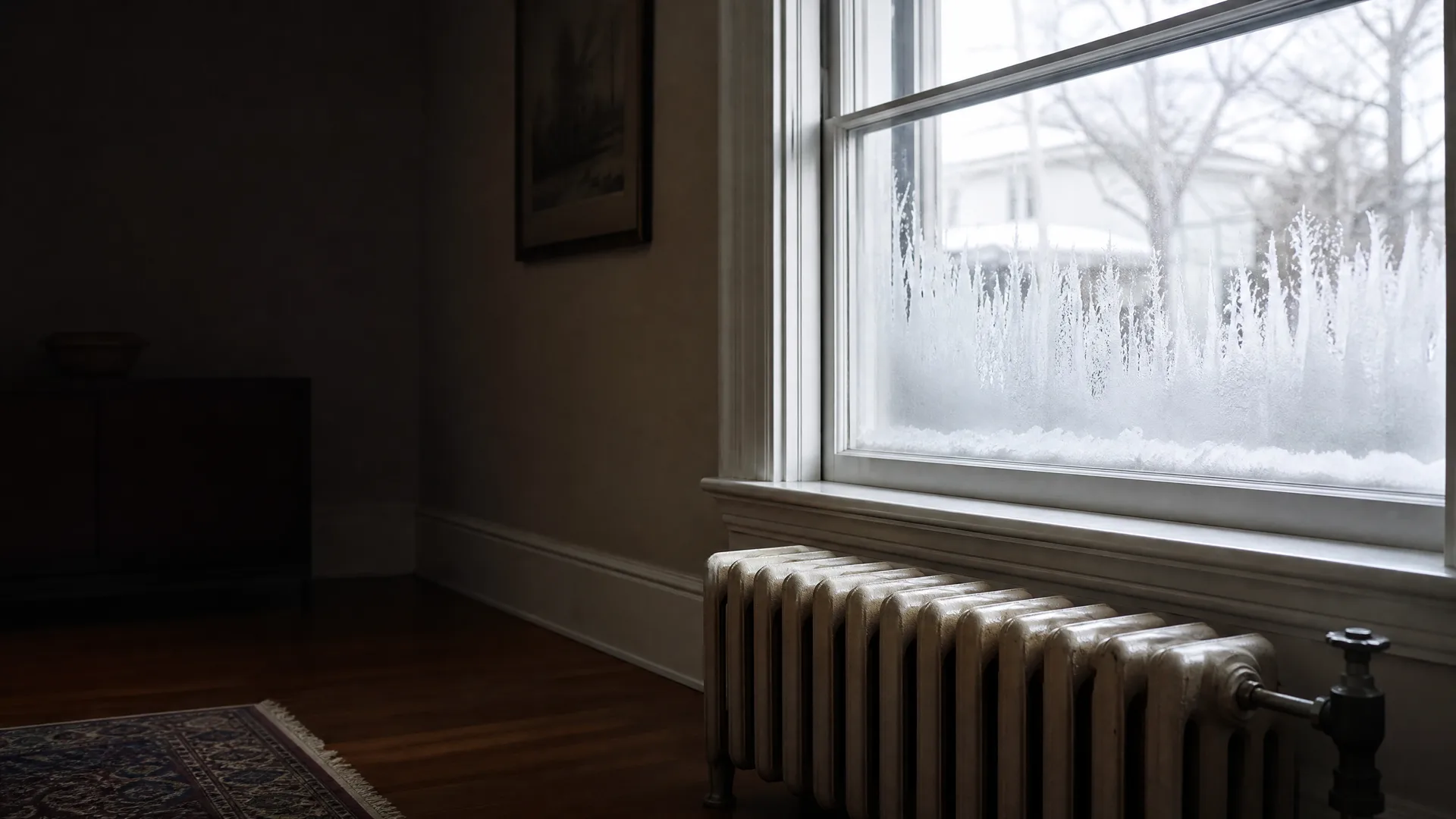
Six in the morning and the house is too quiet, no tick from the radiator, no hiss of water moving through the pipes. You pull the blanket off your kid and her breath shows in the air. The window over the radiator has ice on the inside of the glass, a thin sheet of it blocking the streetlight. You put your hand on the cast iron and it's cold straight through, cold like it's been off for hours. Downstairs the thermostat is set where it always is and nothing answers it. You've got a seven-year-old asking why she can see her breath inside, and you're standing in the hallway in your socks trying to remember where you put the number for someone who fixes this.
A boiler that won't fire doesn't wait for a convenient day, and in an Iowa January there isn't a convenient day for it. You've already got enough on your plate without spending the morning on the phone, explaining the same thing to three different companies and trying to figure out who actually answers when they say they do emergency calls. Checking the pressure gauge and the thermostat yourself is worth doing. If the boiler still won't light, it needs someone who can get to the pressure switch, the igniter, or whatever's actually failed, and get it done before the pipes get cold enough to worry about. That part, finding someone who'll show up and knows what they're looking at, is the part you can hand off right now, while the house is still losing heat and the kids are still in the next room.
The low water cutoff sits apart from the pressure gauge you'd check on the front of the boiler, and it's the part actually deciding whether the burner gets to fire. You can look at the gauge, see a needle that seems close enough, and still have a cutoff that's tripped, because the two aren't reading the same thing the same way. Most residential boilers are built to hold 12 to 15 psi when the system's cold. Once it falls under 8 to 10, the cutoff opens and the control board won't send a signal to the burner at all, no matter what else is working.
That's why the boiler can sound like it's trying. The circulator pump kicks on, the inducer fan spins up and proves draft to the pressure switch, and from the basement it sounds like a normal start. The cutoff doesn't care about any of that. It holds the ignition signal back regardless of what the pump or fan are doing, which is why you get noise and motion but no flame and no heat.
Some boards have a reset button, and so does the cutoff itself on certain models. Pressing it without raising the pressure first just buys a few minutes before it trips again. An auto-feed valve is supposed to catch this before it happens by adding water on its own, but when it sticks closed, the system keeps losing pressure with nothing telling you until the cutoff finally opens.
Fifteen degrees overnight is the average across a whole winter here, so plenty of nights run colder than that. That's the range your boiler has to fire in every time, with no room for a stuck igniter or a pressure drop to go unnoticed before the pipes feel it.
NOAA nClimDiv 1991-2020 county normals weighted by homes


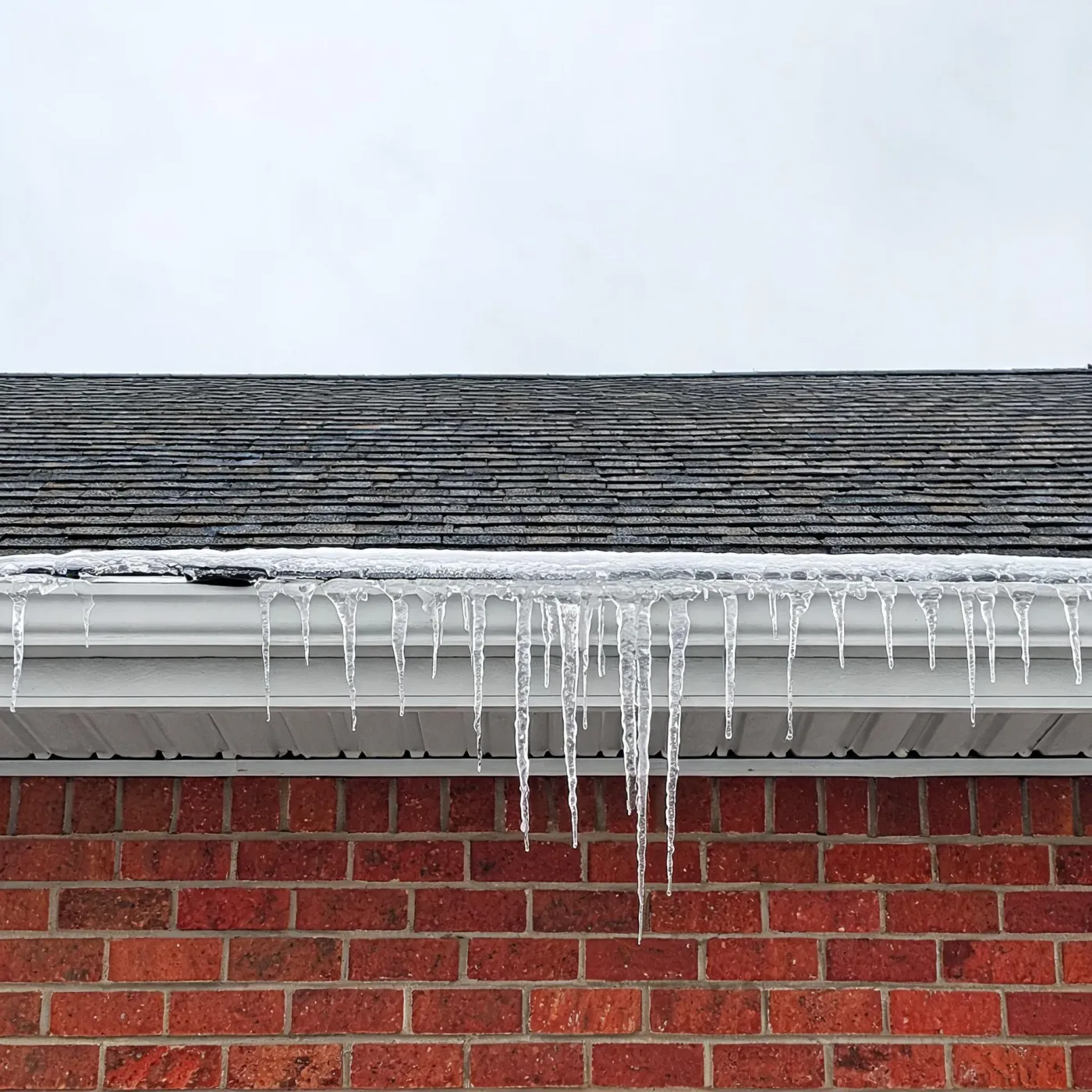
A boiler that loses pressure or hesitates to fire on a mild December evening will do the same thing on a January night, only the house won't recover from it the same way. Winter nights average 15°F statewide, cold enough that a furnace or a boiler left dark for a few hours starts letting pipes along outside walls creep toward freezing. You'd notice it first in the rooms furthest from the boiler, a chill that doesn't match the thermostat setting, or a radiator that stays cool while the one upstairs warms fine. That uneven heat is often the first sign something in the ignition sequence or the pressure is off, well before the system quits outright. Source: NOAA climate normals
NOAA nClimDiv 1991-2020 county normals weighted by homes
You're checking reviews, calling a few companies, explaining the same no-heat problem each time, then waiting to see who calls back first.
You answer a few questions once, and a contractor who handles boiler repair in your area reaches out to you directly.

Low pressure, a tripped cutoff, an igniter that won't light, a thermostat not calling for heat. One of those is why your boiler is dark tonight. None of them fix themselves, and none of them get better while you wait out the cold hoping the house warms back up on its own.
You don't need to figure out which one it is before you ask for help. You need someone who's seen this exact failure in an Iowa house in January and knows where to check first. Answer a few questions once, skip the round of calls to companies that can't come until next week, and let a contractor who handles this reach out to you directly.

A pro who works on boilers