




Why your boiler keeps turning off in Iowa

Tell a local repair pro what your boiler is doing.

Find a pro near me

Why does my boiler keep shutting off?

A boiler that shuts off on its own partway through a heating cycle usually isn't a mystery to a technician, but it's unsettling when it happens on a cold night and you don't know if it will start back up. You want to know whether this is something minor or a sign the system needs attention before the next cold snap rolls through.

It's shutting off because a safety control is tripping

A boiler is built to shut itself off the moment something reads wrong, whether that's low water pressure, a blocked flue, a bad flame sensor, or water running hotter than it should. That's the system protecting itself, not failing at random. In Iowa, most homes run a gas boiler through long winters, so that burner is cycling on and off for months straight, and a control that's starting to fail will usually show it first as a short cycle or an unexpected shutdown rather than a full breakdown. Left alone, it tends to happen more often as the weather gets colder and the boiler works harder. A technician can check pressure, venting and the controls themselves to find which one is tripping and why.

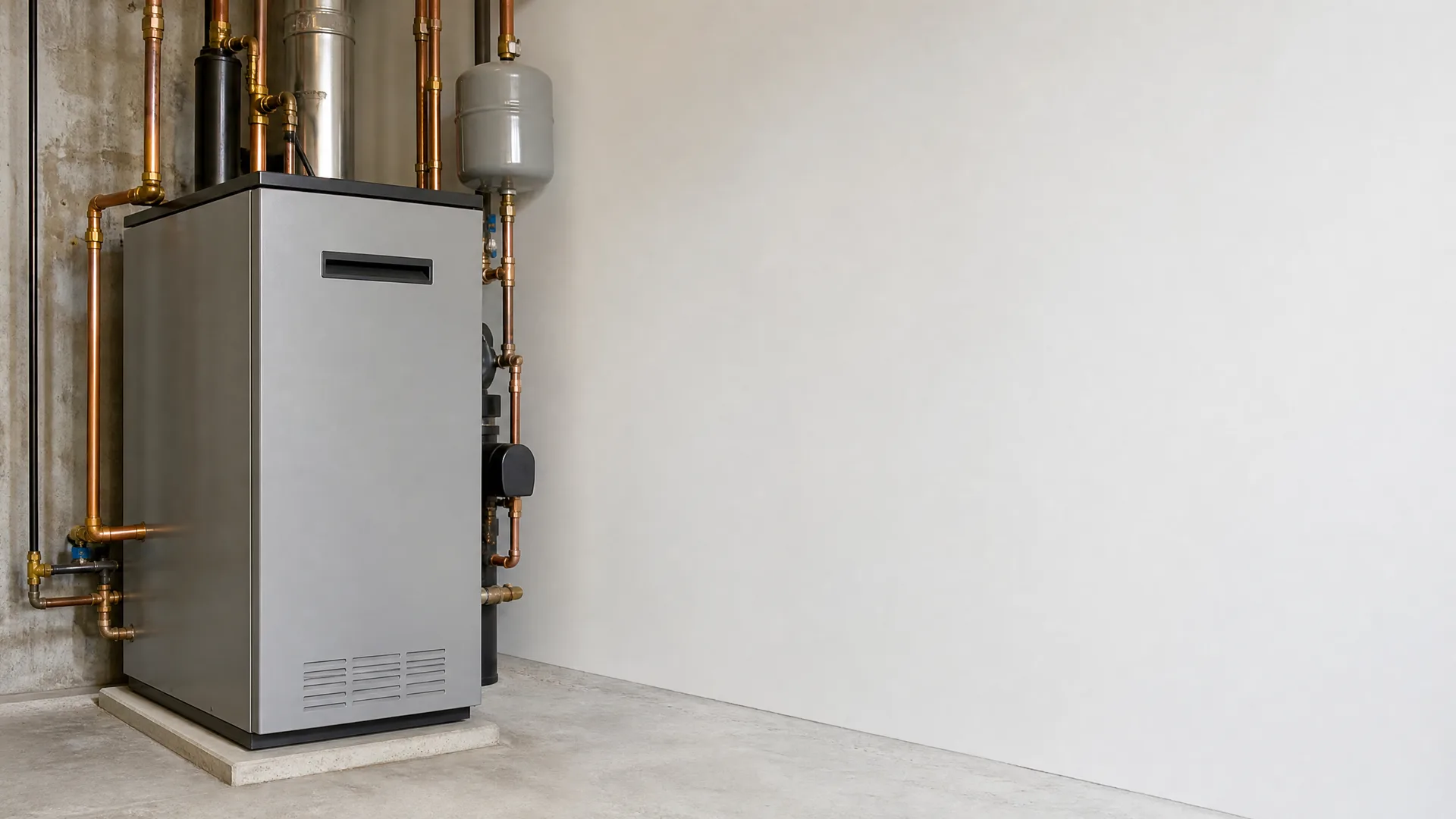
A gray floor-standing boiler on a concrete pad in a bare room, connected to copper pipes and an expansion tank against a plain light wall.

Low water pressure trips the switch

Most boilers shut down when pressure drops below about 12 psi, and gauges read that drop before you notice anything else is wrong. A pinhole leak in a pipe, a bled radiator that wasn't refilled, or a faulty pressure relief valve all bring it down slowly over weeks. A technician who services boilers regularly checks this first, because it explains a shutoff that otherwise looks random.

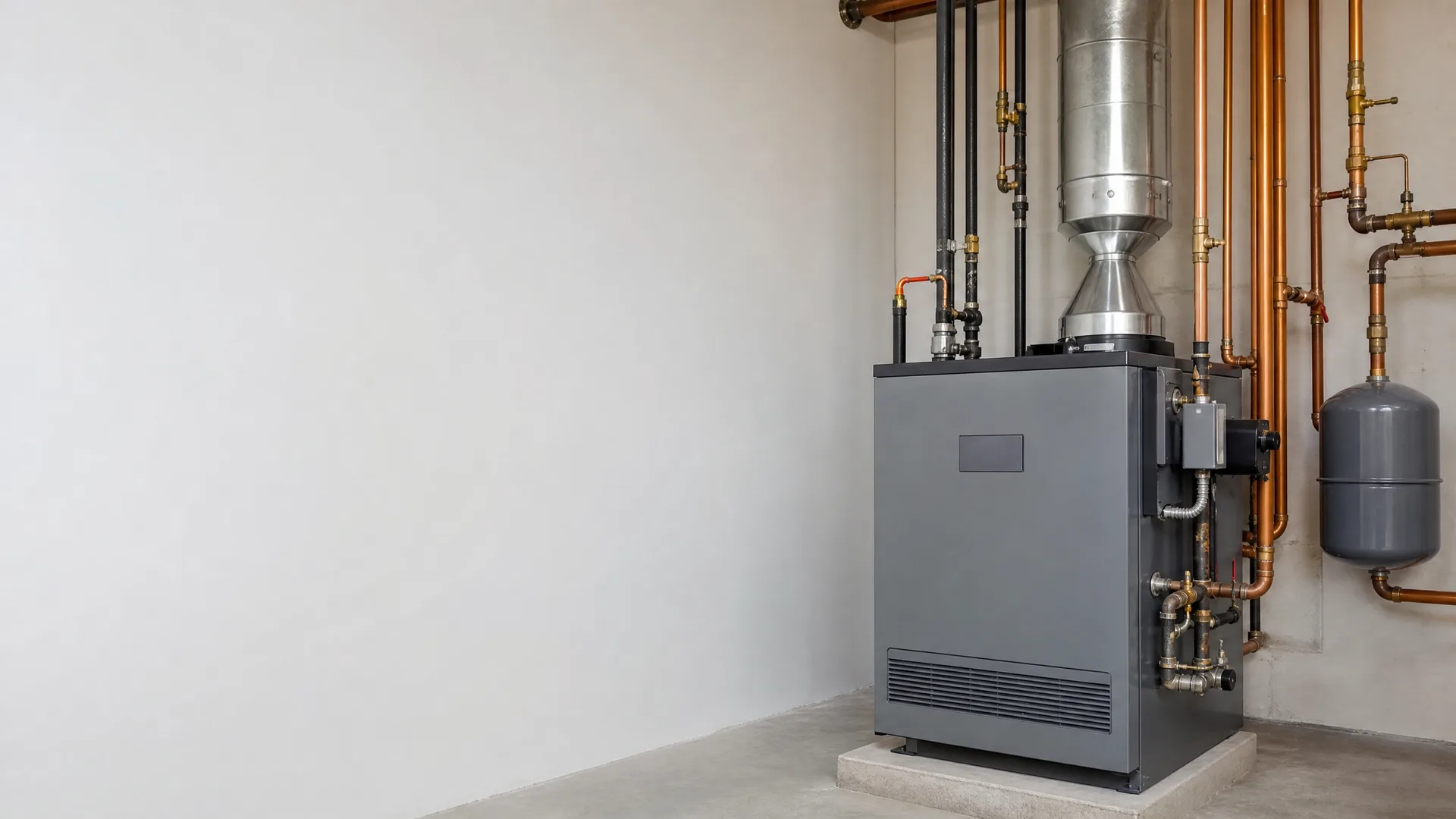
A gray boiler on a concrete pad in a plain room, connected to copper and black pipes and a stainless steel flue.

A flame sensor reads it wrong

Gas boilers shut off within seconds if the flame sensor doesn't detect a flame, even when the burner is lit and working. Soot or corrosion on the sensor rod is enough to cause a false reading. This is a common failure in Iowa homes that run the boiler hard through long winters, and it's a quick check for someone who knows what the sensor is supposed to see.

Is this happening every night now?

You've probably noticed it's not random anymore. Same time each evening, or every time it's been running a few hours, the boiler cuts out and the house starts cooling down. Maybe you've heard a click and then quiet, or the pilot light's out when you check it. Some nights you catch it and reset it before anyone wakes up cold. On a night you don't, a house this time of year can lose heat fast, and with Iowa winters that's not something to let ride for a week while you figure out what's wrong.

  1. A sensor or switch detects a fault condition first.

  2. The control board cuts power to the gas valve.

  3. The burner flame goes out within seconds.

  4. The system locks out until it's reset or repaired.

A gray-haired man in a dark long-sleeve shirt sits on a gray sofa in a living room, looking toward a sunlit window with sheer curtains.
A gray-haired man in a dark green sweatshirt sits on a sofa in a living room, looking toward a bright window, with a houseplant, lamp, fireplace and framed art behind him.
A gray-haired bearded man in a dark green collared sweater sits on a sofa in a living room with a window, houseplant, floor lamp and bookshelves, looking off to the side.
A gray-haired man in a dark green sweater sits on a sofa in a sunlit living room, looking off to the side, with a framed landscape painting, dining table and shelving behind him.

It resets and runs fine for days

You press the reset button, the burner fires, and the house heats like nothing happened. That's often a one-off. A radiator that got bled and not refilled, or a brief dip in gas pressure during a cold snap, can trip the switch once and not again. If it only happened the one time and a week goes by without a repeat, it may not be worth a service call yet. Keep an eye on the pressure gauge anyway, since that's the easiest thing to check yourself before deciding whether to wait it out.


It's happening again within a day

A boiler that locks out, gets reset, and shuts off again a few hours later isn't a fluke. Something is actually failing, whether that's a flame sensor reading dirty, a pressure switch gone bad, or a draft problem at the vent. Resetting it yourself just restarts the same fault. Every reset without a fix also means the burner is cycling under conditions it's not built for, which tends to wear the next part faster. This is the pattern a local technician needs to see in person before it leaves you without heat overnight.

Winter nights average 15°F statewide

At 15°F, a boiler that short-cycles isn't resting between tries, it's firing back up against the cold over and over most of the night. Each lockout buys the house less recovery time before the next drop.

NOAA nClimDiv 1991-2020 county normals weighted by homes

Call a tech now or wait it out

If the boiler won't reset, or it resets and trips again within the hour, that's not a one-off. Something is making it happen again, a flame sensor reading wrong, a pressure switch that's failed, a blocked vent pipe. Waiting another night means more cold mornings and more cycles on a part that's already struggling. A tech who works on boilers all winter in Iowa has likely seen the same lockout on the same brand a dozen times this season and knows which part to check first. Getting it looked at now usually means one visit instead of a repair that turns into two.

When it's safe to hold off

If it reset clean and has run fine for several days, you don't need to treat it as an emergency. Keep an eye on the pressure gauge and note if the lockout happens again, and if it does, what the house was doing at the time, running hard overnight, or just coming back from being bled. That detail helps whoever looks at it narrow things down fast. A local contractor who knows the boilers common in this area can often tell from a short description whether it's worth a same-week visit or something to schedule when it's convenient. Either way, it's worth having someone qualified confirm it rather than guessing.

A woman with shoulder-length dark brown hair in a cream knit cardigan sits in an upholstered armchair beside a window, looking off to the side, with a white bookshelf and potted plant blurred behind her.
A woman with her hair in a bun sits wrapped in a beige knitted blanket on a couch, holding a sleeping child against her chest in a warmly lit room with a lamp and houseplant in the background.

A boiler pro near you

The pro who reaches out is licensed in Iowa.

Sending the form costs nothing.

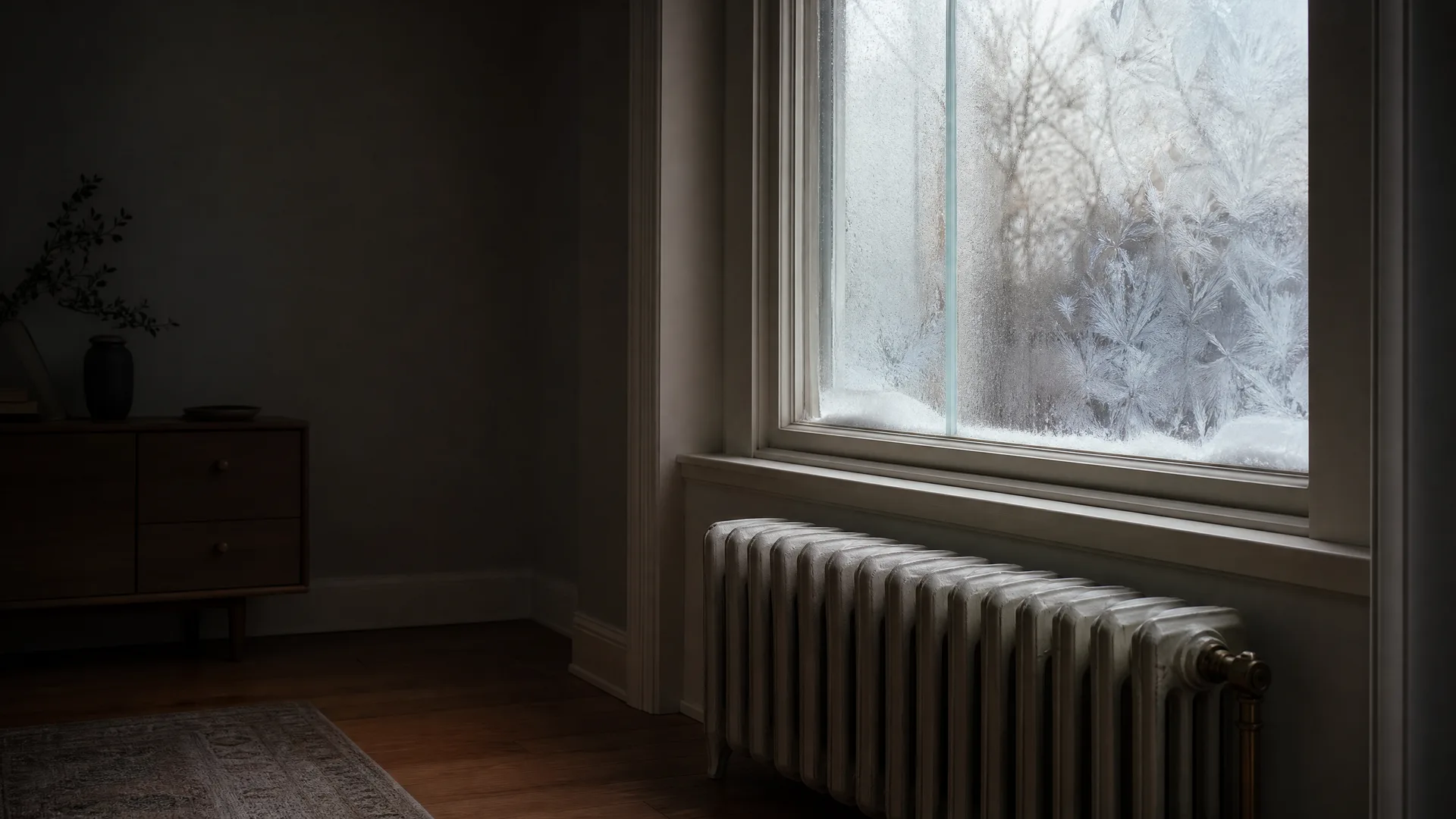
A cast-iron column radiator beneath a frost-covered window in a dim room, with a wooden sideboard, vase of dried branches, wood floor and rug on the left.

It's just past six in the morning and still dark outside. You're standing in the living room in a sweatshirt, waiting for the radiator under the window to clank and tick the way it does when it's working. It doesn't. The window above it has gone white with ice on the inside, and the glass is cold enough that you don't touch it. The thermostat reads a few degrees lower than you set it last night. Somewhere behind the wall you hear nothing, not even the low hum you stopped noticing months ago. You already know where the reset button is. You're just not ready yet to find out if pressing it will work this time.

A woman stands in the open black front door of a white-sided house with a dark shingled roof while a man in a navy jacket approaches along the walkway, with lantern wall lights, a potted shrub, and flowering garden beds nearby.

What a winter without heat costs you

A boiler that keeps locking out doesn't just mean a cold room. Pipes along an outside wall can freeze if the house sits cold long enough overnight, and a cracked pipe costs a lot more to deal with than the boiler did. If you've got a baby or an older parent in the house, a string of cold nights isn't something you can just wait through. Iowa winters don't give you much room to experiment with a system that's failing on its own schedule.

Someone who services boilers in your area all winter has seen this exact pattern before, probably this week. They'll know whether your model tends to drop pressure at the relief valve or trip its sensor first, because they've opened up the same unit in another house nearby. Getting matched with one contractor who already knows this equipment means you're not explaining the problem from scratch, and you're not fielding calls from three different companies while your living room gets colder.

A dark ceramic mug on a round wooden table beside a light grey sofa with a woven cushion and knit throw, with a window, potted plant, floor lamp and wooden cabinet blurred in the background.
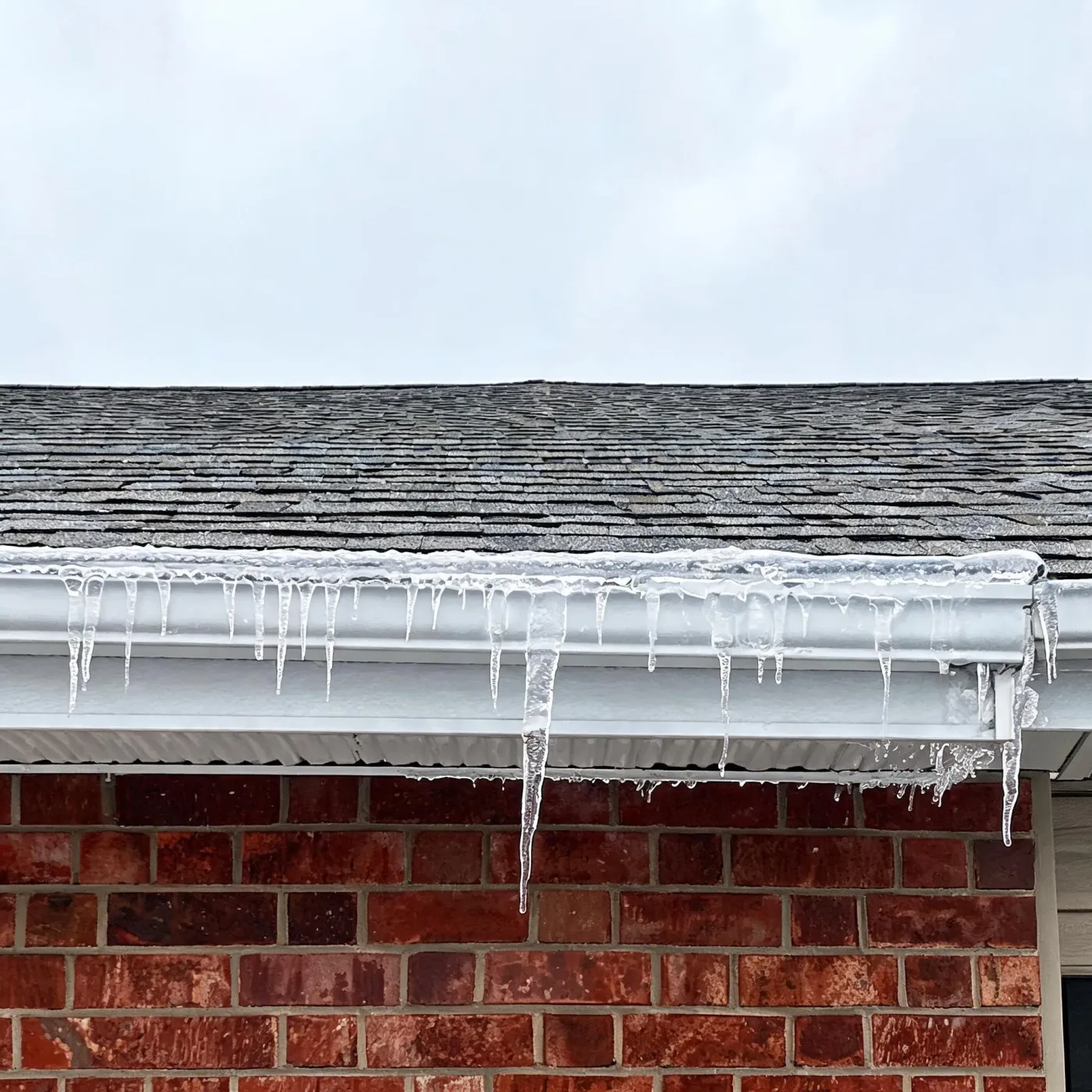
Icicles hanging from a white gutter and soffit below an asphalt-shingle roof on a red brick house, against an overcast sky.

Statewide, winter nights average 15°F, according to NOAA climate data. At that temperature a boiler isn't cycling on and off a few times to hold the house steady, it's working through most of the night to replace heat that's leaving fast through walls and windows. A unit that's already struggling with low pressure or a bad sensor gets less room to recover between cycles when it's this cold outside. That's why a boiler that seemed fine on a milder evening starts locking out once nights settle into the teens, and why the same fault shows up more often in January than it did in November.

NOAA nClimDiv 1991-2020 county normals weighted by homes

Reset It Again or Get It Checked

Reset it yourself

  • Pressing the reset button costs nothing and tells you fast whether the problem was a one-off, like a radiator that got bled and not refilled.
  • If it runs fine for days afterward, you've likely dodged a real repair and can keep an eye on it without spending anything.
  • You won't know what tripped the switch in the first place, so you're guessing whether it's safe to leave alone overnight.
  • A pressure switch or flame sensor that's actually failing will usually trip again within hours, and each lockout eats into how long the house stays warm.
  • Gas boilers involve a flame and a vent, so a fault you can't diagnose yourself isn't one to keep resetting on faith.

Call a local tech

  • A technician who works on boilers all winter in Iowa has likely already seen whatever's tripping yours, whether it's pressure, a sensor, or a blocked vent.
  • You're matched with one licensed contractor near you, not a handful of companies competing for the job, so you're not fielding calls all afternoon.
  • A tech can tell you in one visit whether it's a quick fix or something that needs a part ordered, instead of you guessing from how many times it's reset.
  • Someone local knows how an Iowa winter pushes a boiler through the night and what tends to fail first when it runs that hard.
  • A gas valve and flame sensor aren't something to keep testing by trial and error, and a tech checks both before clearing the system to run again.
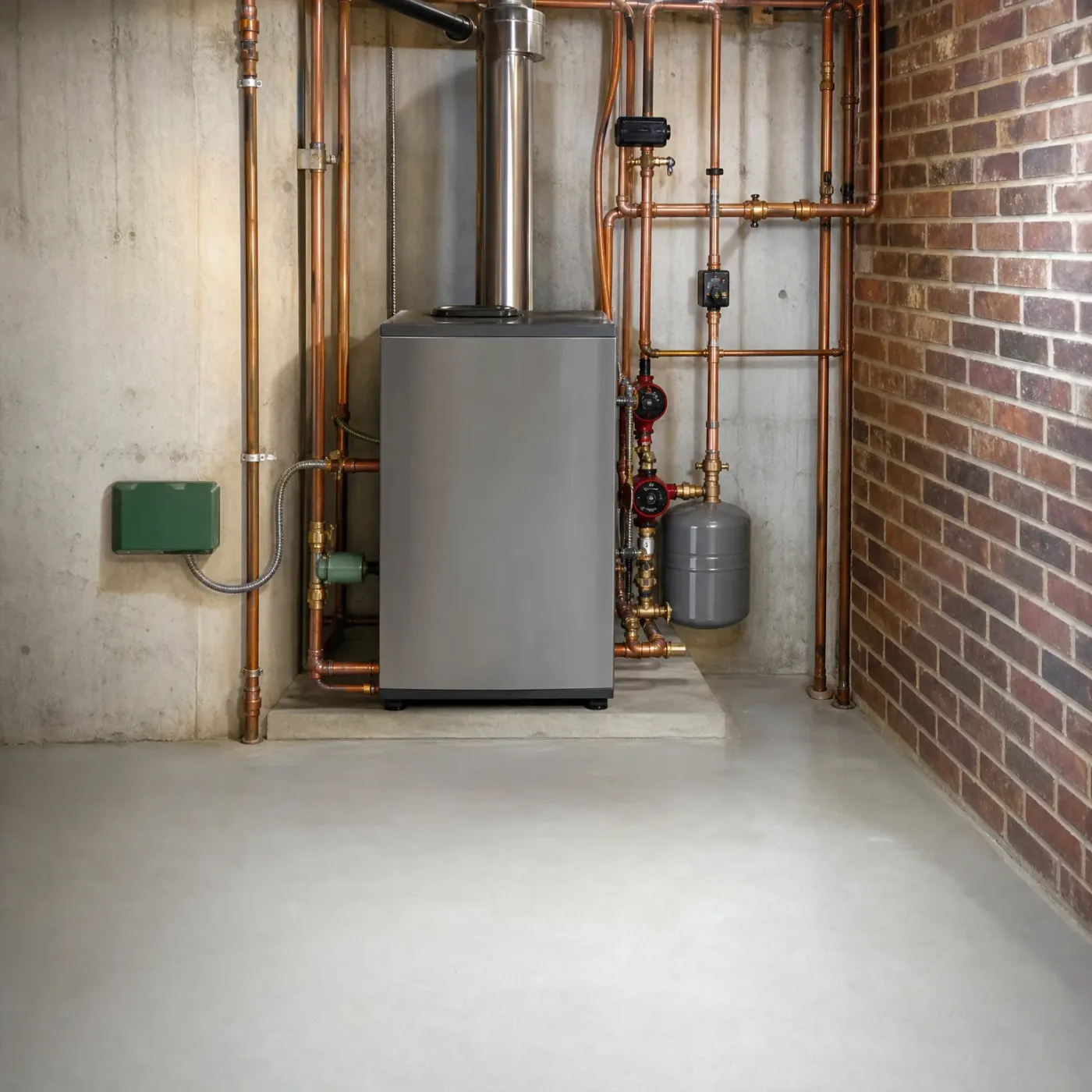
A gray boiler on a concrete pad in a basement, connected to copper piping, valves, pumps and a gray expansion tank, with a concrete wall on the left and a brick wall on the right.

Running the way it should

This is what a boiler looks like when nothing's wrong. Steady pressure on the gauge, pumps circulating without strain, no soot or scorch marks near the burner. A tech who works on these all winter can look at a setup like this and tell you it's not what's causing your shutoffs.

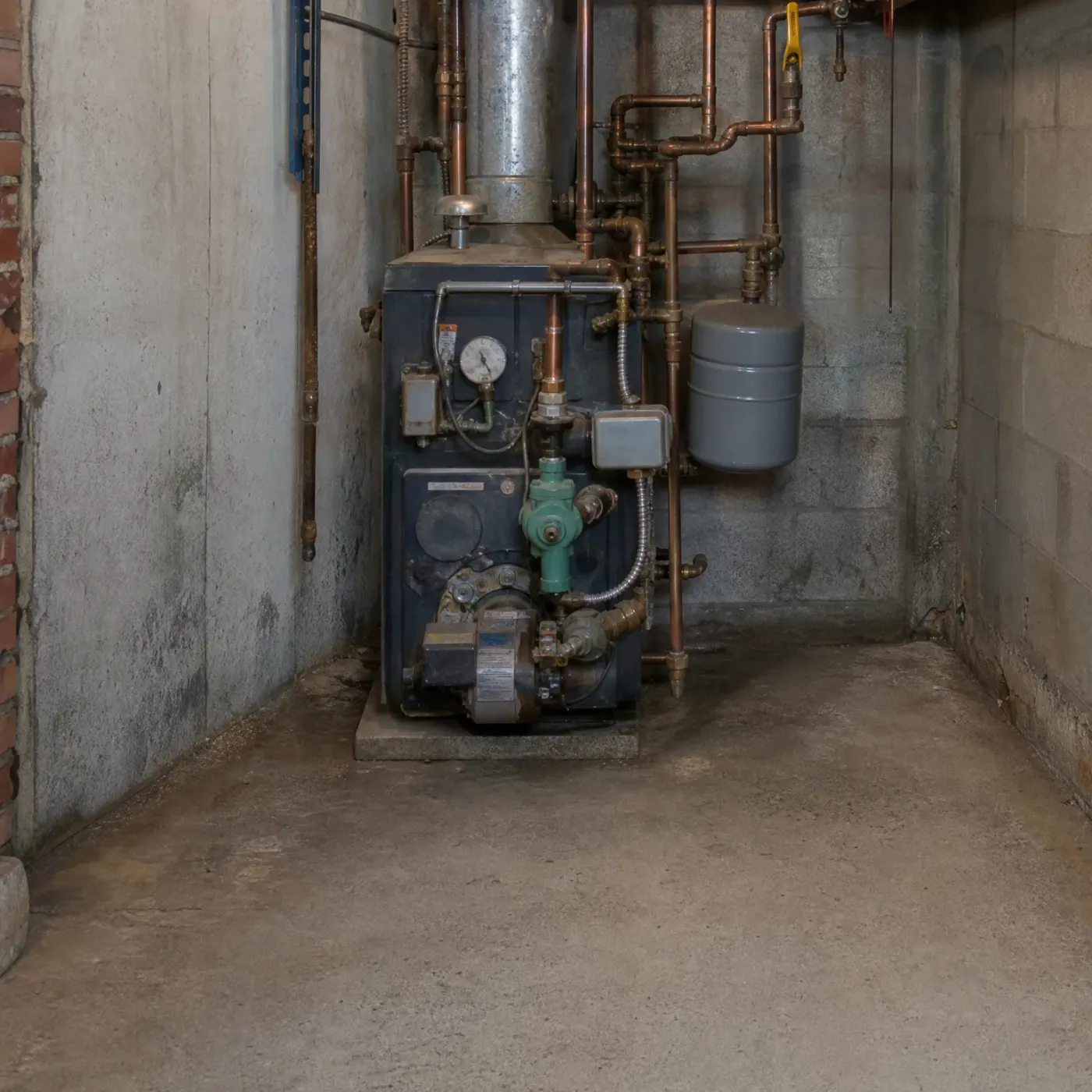
A dark cast-iron boiler with copper piping, pressure gauge, and a gray expansion tank sits on a concrete pad in a basement corner with concrete block and brick walls.

The kind that keeps failing

An older unit crowded into a tight space, piping that's been patched more than once, a pressure gauge worth checking twice. Age alone doesn't cause lockouts, but a boiler that's seen a lot of winters has more parts that can drift out of spec and trip the safety switch.

A boiler that keeps shutting off is telling you something specific, whether it's a pressure switch, a flame sensor, or a blocked vent, and that's what a technician is for. Once it's locked out more than once in a night, pressing reset again stops being a fix and starts being a delay. A tech who works on boilers all winter in Iowa has seen this exact pattern more times than you have, usually a dozen times in a single cold snap, and knows which part tends to go first on which kind of system. Getting matched with one local contractor means someone who already knows what these winters do to a boiler shows up, not a string of calls from companies that don't know your address or your equipment. That's the difference between guessing at the problem overnight and having someone look at the gauge, the burner, and the vent pipe and tell you, plainly, what failed and what it takes to get the house warm again.

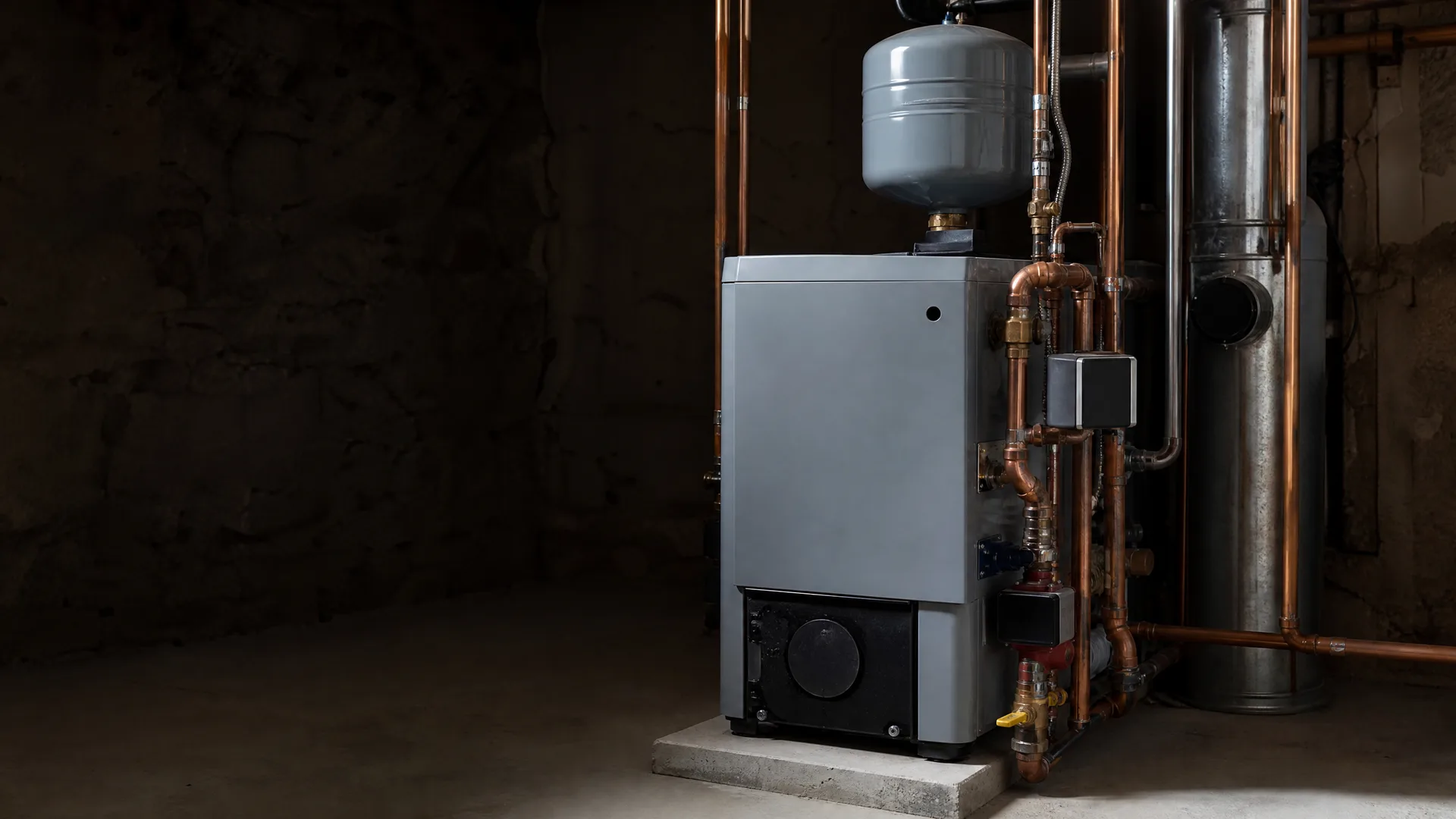
A gray residential boiler on a concrete pad in a dim basement, connected to copper piping, a gray expansion tank overhead, and a metal flue pipe along the wall.

A local pro for your boiler repair

Step 1 of 3: Equipment