 Start one form
Why your boiler is kettling in Iowa
Answer a few questions instead of calling shop after shop.
That kettle noise or rumbling in your boiler means water is boiling somewhere it shouldn't, usually against a section of the heat exchanger coated in scale or soot. It gets worse, not better, on its own. Left alone it stresses the exchanger and can crack it.
Iowa winters put real hours on a gas boiler, and most of the ones running here have been firing up every cold morning for years without anyone looking at the exchanger or the water quality inside it. Kettling is usually the first sign something has built up where you can't see it.
This is a repair job, not a quick fix you do yourself. It means draining the system, getting into the boiler, and sometimes flushing or descaling the exchanger itself. That takes someone who works on boilers regularly and knows what kettling usually turns out to be before they even open the panel.
Finding that person is normally its own project. You'd be searching for boiler contractors near you, calling a few, explaining the noise and when it happens, then waiting to see who calls back and comparing what each one quotes before you even know if they do this kind of repair. Some don't work on boilers at all.
Request service here and that part is done. You're matched with one licensed contractor local to Iowa, someone who works on boilers all season and has seen this exact noise come from this exact problem more times than they can count. No juggling calls from three or four companies, no retelling the story to each one. Just one contractor who already knows roughly what they're walking into when they show up.
The rest of this page gets into what's actually causing the noise and what the repair usually involves. When you're ready for someone to look at it, the request is below.
That kettling sound means part of your heat exchanger is caked with scale or soot, so water trapped against it flashes to steam and collapses with a bang instead of flowing through clean. Iowa's water running through a boiler for a full winter of hard firing gives scale plenty of time to build on the hottest surfaces first. Once a layer forms, that spot overheats every time the burner runs, because scale blocks heat from passing into the water the way metal does. The noise is the first sign. What follows is a weak spot in the exchanger that can crack under the stress, and a boiler working harder to heat the same water, burning more gas to do it. It will not quiet down by itself and running it this way through another Iowa winter only adds more cycles to a part already overheating. A contractor who services boilers in Iowa every winter can tell from the sound and the burner pattern whether this is a cleaning job or something further along.
Skip the search

Your request stays with one local pro.
It costs nothing to send, and you don't have to hire anyone.
Why Scale Makes Boilers Kettle
- Scale forms first in the hottest spot of the exchanger, usually right above the burner, where heat transfer is most intense.
- A thin layer of scale acts like an insulating blanket, so the metal underneath has to get hotter before the water on the other side boils.
- Once water flashes to steam against that hot spot, the bubble collapses back into water almost instantly, and that collapse is the bang you hear.
- Soot from incomplete combustion builds on the fireside of the exchanger and traps heat the same way scale does on the waterside.
- The noise usually starts quiet, just a tick or a low rumble, before it turns into the harsher kettling sound as the deposit thickens.
- Hard water left behind in older cast iron sections concentrates minerals in low-flow spots, which is often where kettling starts first.
The exchanger has one job, to move heat from the burner into the water running past it. Scale and soot get in the way of that. Scale builds up on the waterside, soot builds up on the fireside, and both act like a blanket between the fire and the water. The metal under that blanket has nowhere to send its heat, so it climbs well past the temperature where water normally boils. The water trapped right against that hot spot flashes into steam. A steam bubble in a boiler full of water does not last. It collapses back into liquid almost the instant it forms, and that collapse sends a shock through the water, which is the bang or rumble you hear. This does not happen evenly across the exchanger. It starts at the hottest point, directly over the burner, and in cast iron sections it often starts in whatever low-flow spot lets minerals settle out of the water first. Iowa's hard water gives scale something to build from every time the boiler fires. The sound tracks the deposit. A thin layer gives you a faint tick or a low rumble. Left running, the layer thickens, the hot spot gets hotter, and the noise turns into full kettling. None of this wears the deposit away. It only grows.
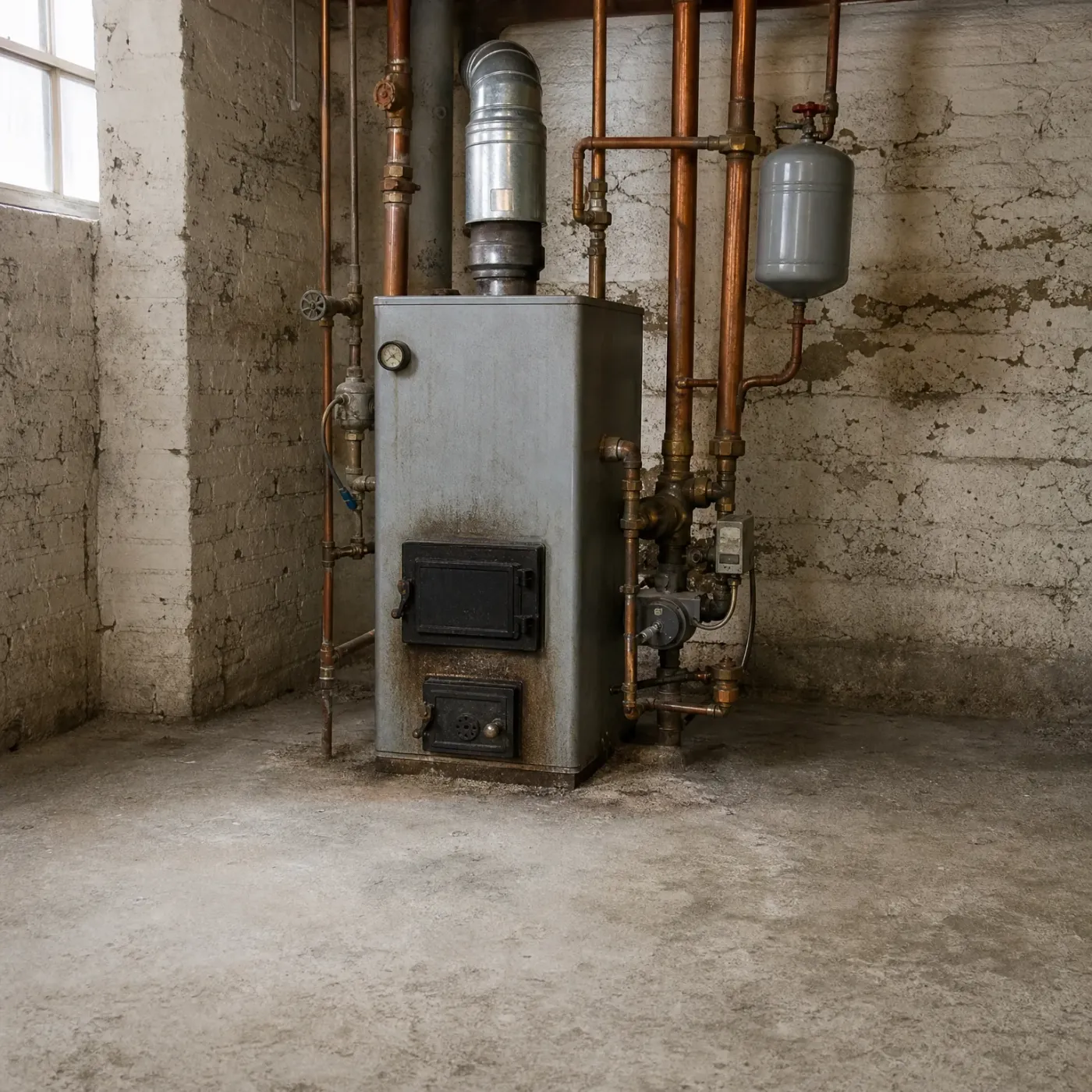


Winter nights average 15°F statewide
At 15°F overnight, your boiler is firing long and hard most nights from December through February to keep up. That's more hours for scale to bake onto the exchanger, and more chances for trapped water to flash to steam and kettle.
NOAA nClimDiv 1991-2020 county normals weighted by homes
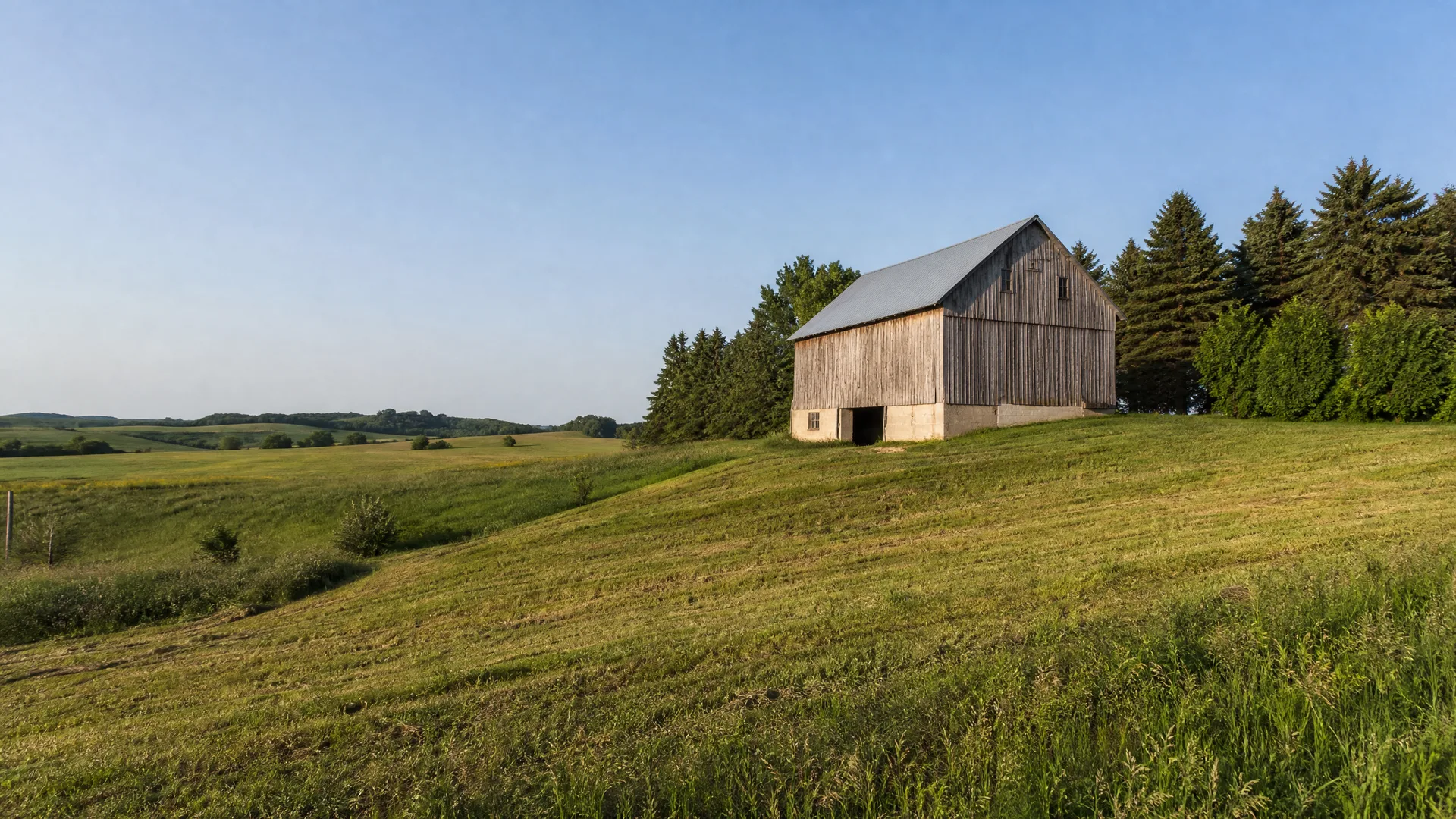
Scale builds on the hottest part of the exchanger
Water gets trapped against the scaled section
Trapped water flashes to steam instead of flowing
Steam pockets collapse and hammer the exchanger walls

Kettling means scale, and scale doesn't go away on its own
The noise is water flashing to steam against a scaled section of your heat exchanger. A boiler doesn't clean itself, and running it through another Iowa winter at 15 degrees won't wear the scale down, it bakes more on. A licensed tech can descale or replace the exchanger before the cracking starts, not after.
You don't have to spend an evening calling around Iowa, explaining the kettling noise to three different shops, then sitting with three quotes trying to guess which one actually knows cast iron exchangers. One local contractor, matched to your boiler and your winters, can tell you on the first call whether this is a cleaning or a replacement.





Boiler Repair
Explain it one time
Your request goes to one pro, not a list of companies.