
Circulator pump running, water moving
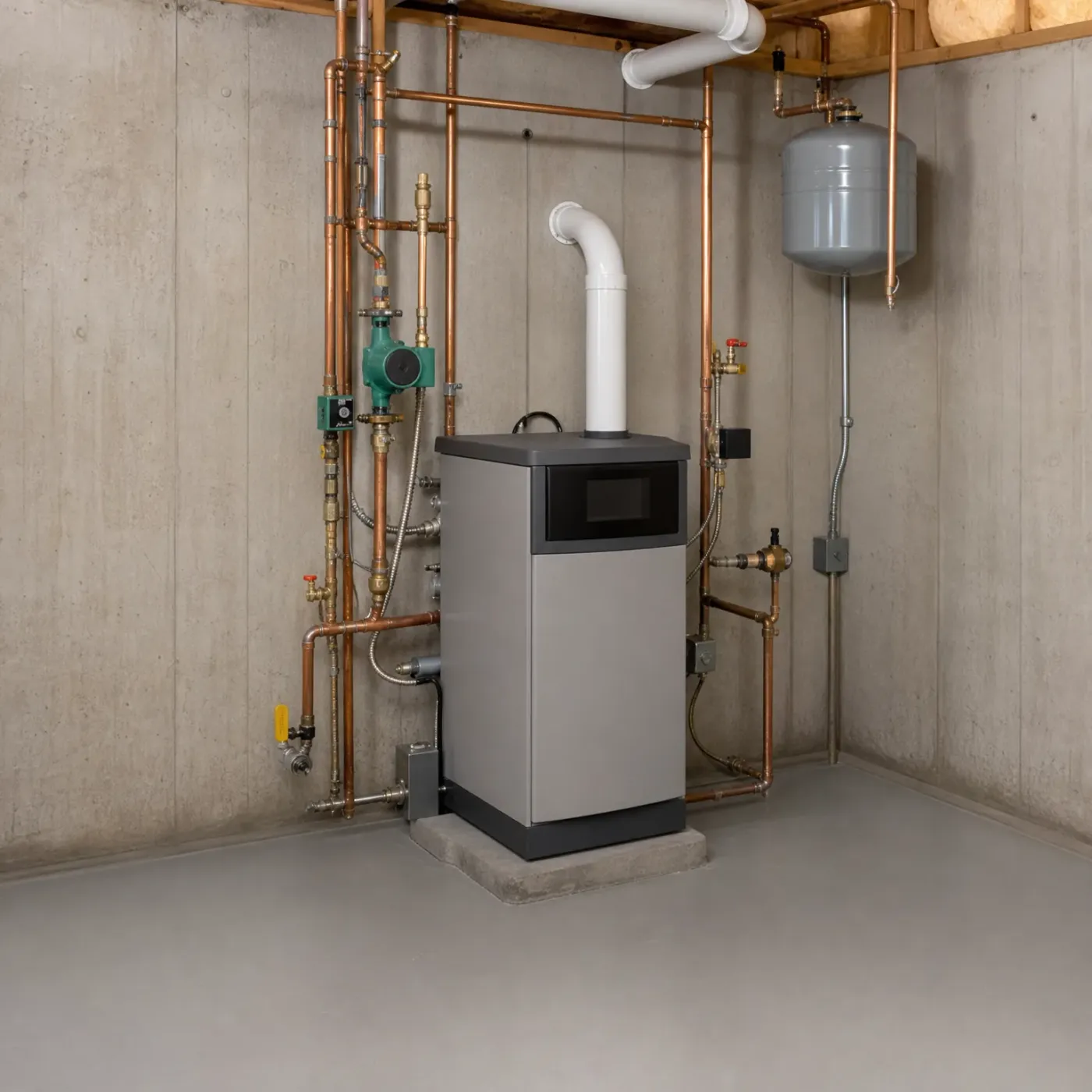
When the pump is pushing hot water through the copper lines and the expansion tank is holding steady pressure, every baseboard unit on that loop gets its share of heat. No cold spots, no rooms left out.
Cold is setting in and the baseboard units along your floor aren't putting out heat, or only some of them are. With a boiler system, the problem usually isn't the baseboard itself. It's something upstream not getting hot water to it, or not getting hot water to it fast enough to matter on a cold evening.
Baseboard heat runs on hot water moving through a loop, and if that water isn't circulating, the baseboard stays cold no matter how long you wait. Air trapped in the line is a common cause, and it keeps water from reaching one or more rooms even while the rest of the house heats fine. A circulator pump that's stopped turning will do the same thing to the whole system. If nothing in the house is heating, check whether the boiler itself is firing at all. Iowa winters put a boiler through months of steady work, and a unit that's struggled along on a partial problem can stop producing any heat once it's pushed hard on a genuinely cold night.
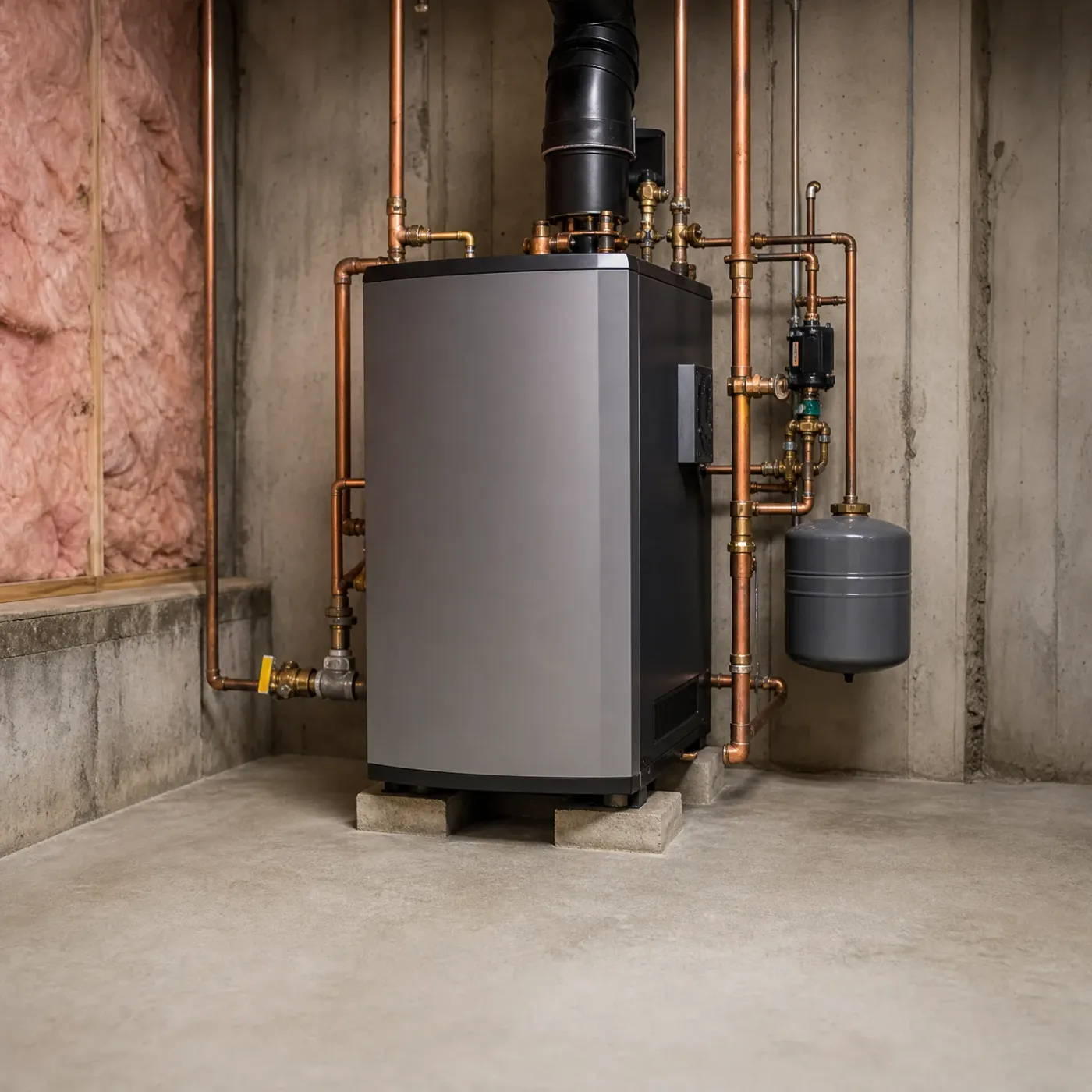
When the pump is pushing hot water through the copper lines and the expansion tank is holding steady pressure, every baseboard unit on that loop gets its share of heat. No cold spots, no rooms left out.
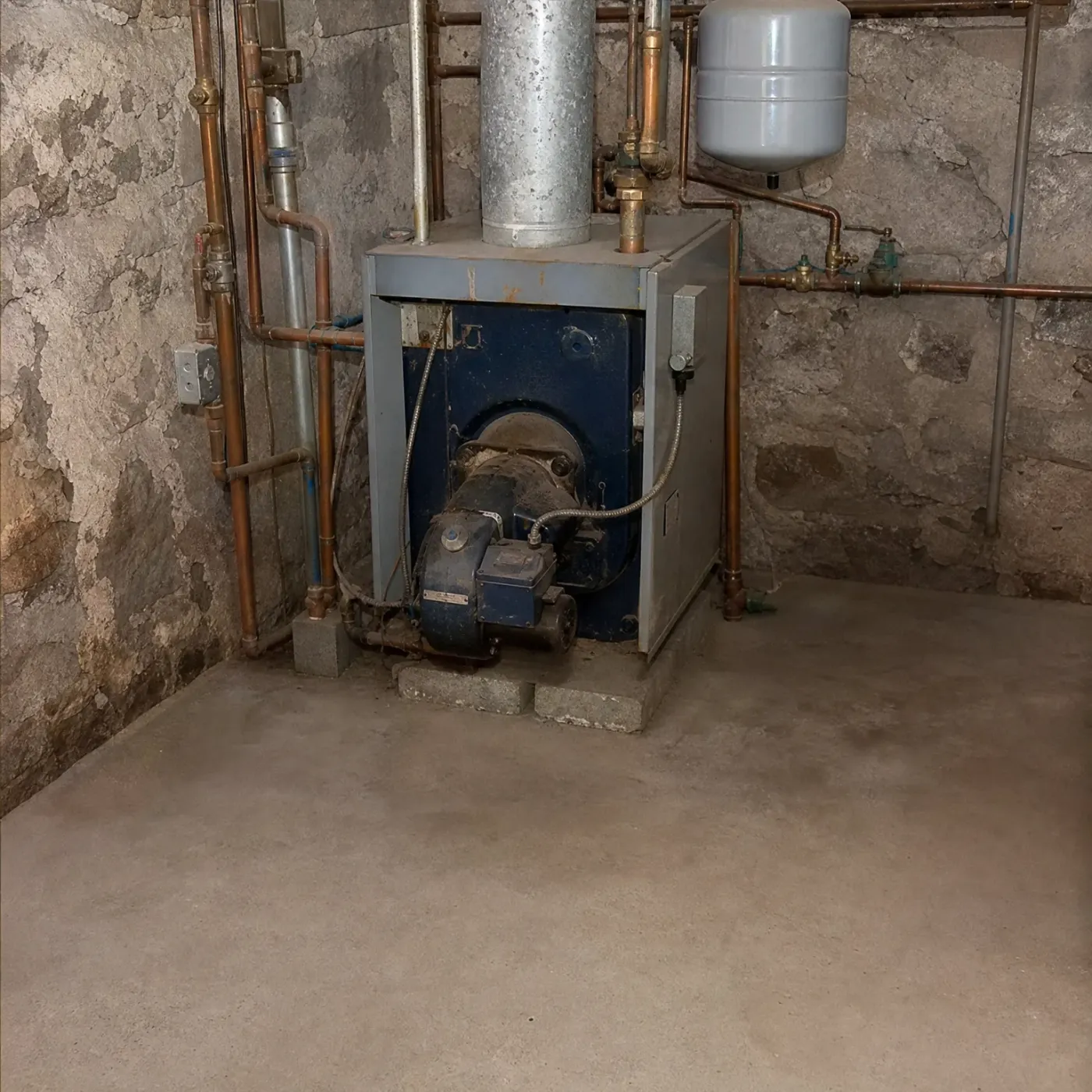
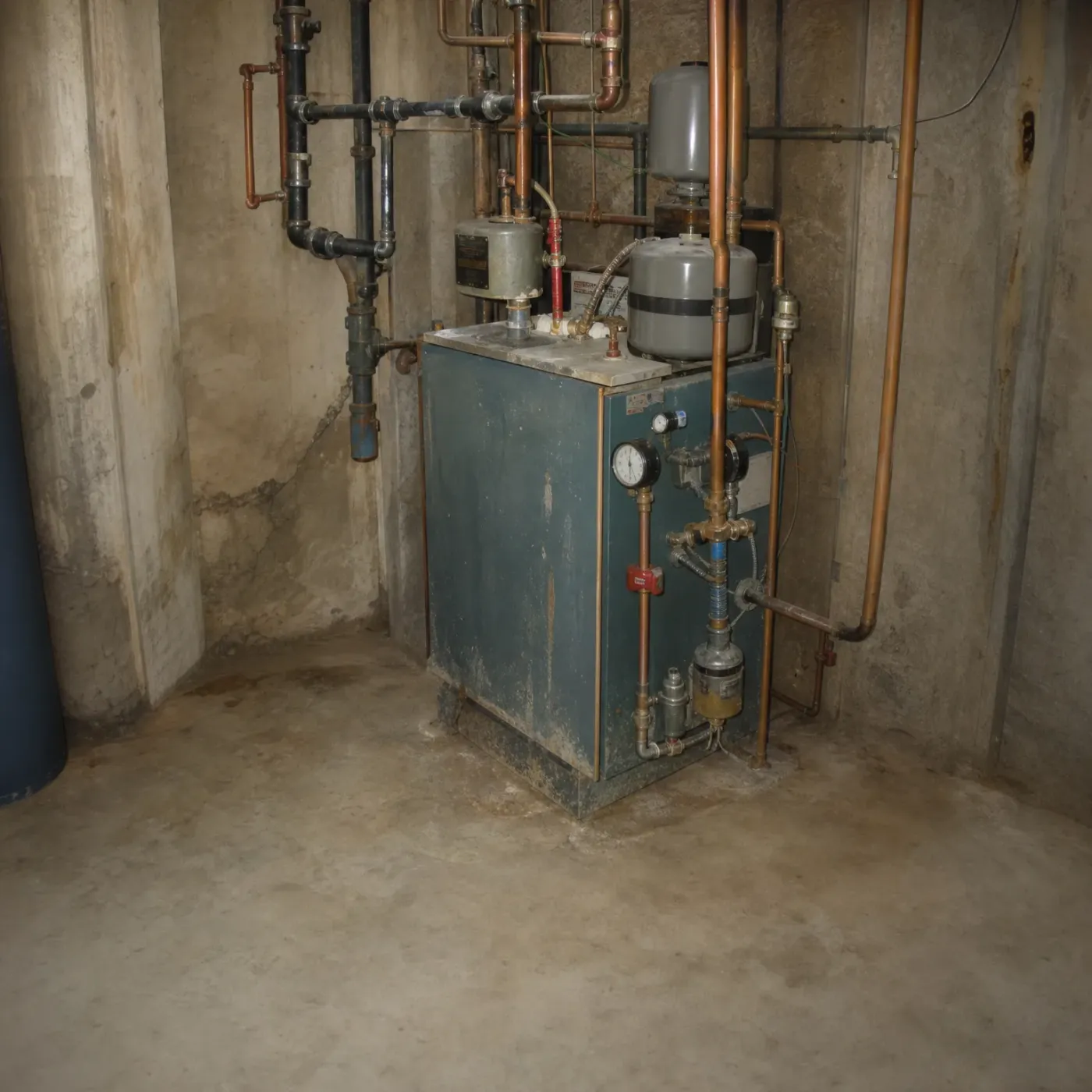
An oil-fired boiler propped on blocks with an old galvanized flue is more likely to have a failing part somewhere in that chain. If the pump seizes or the flue corrodes, water stops moving and the baseboards along your floor go cold.
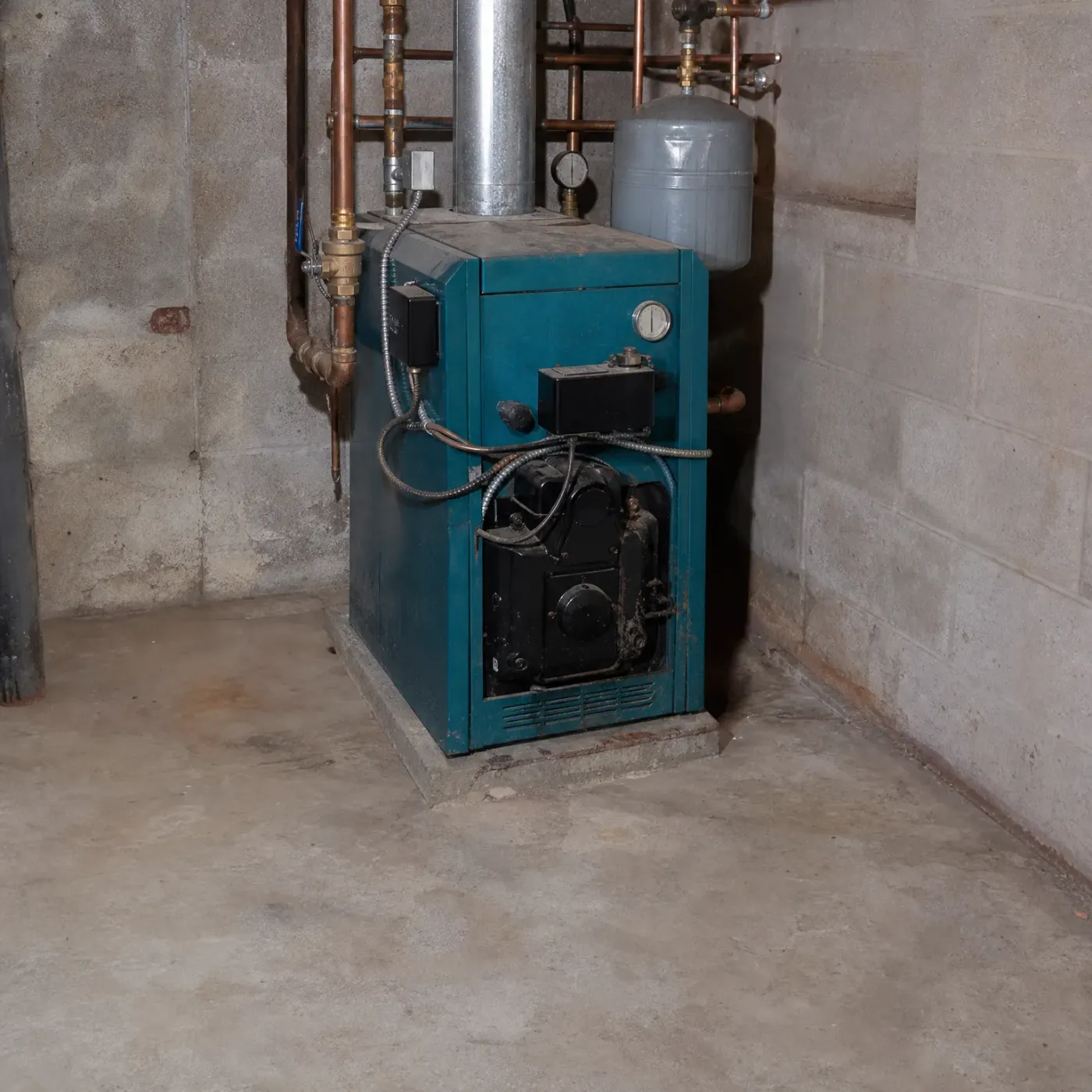
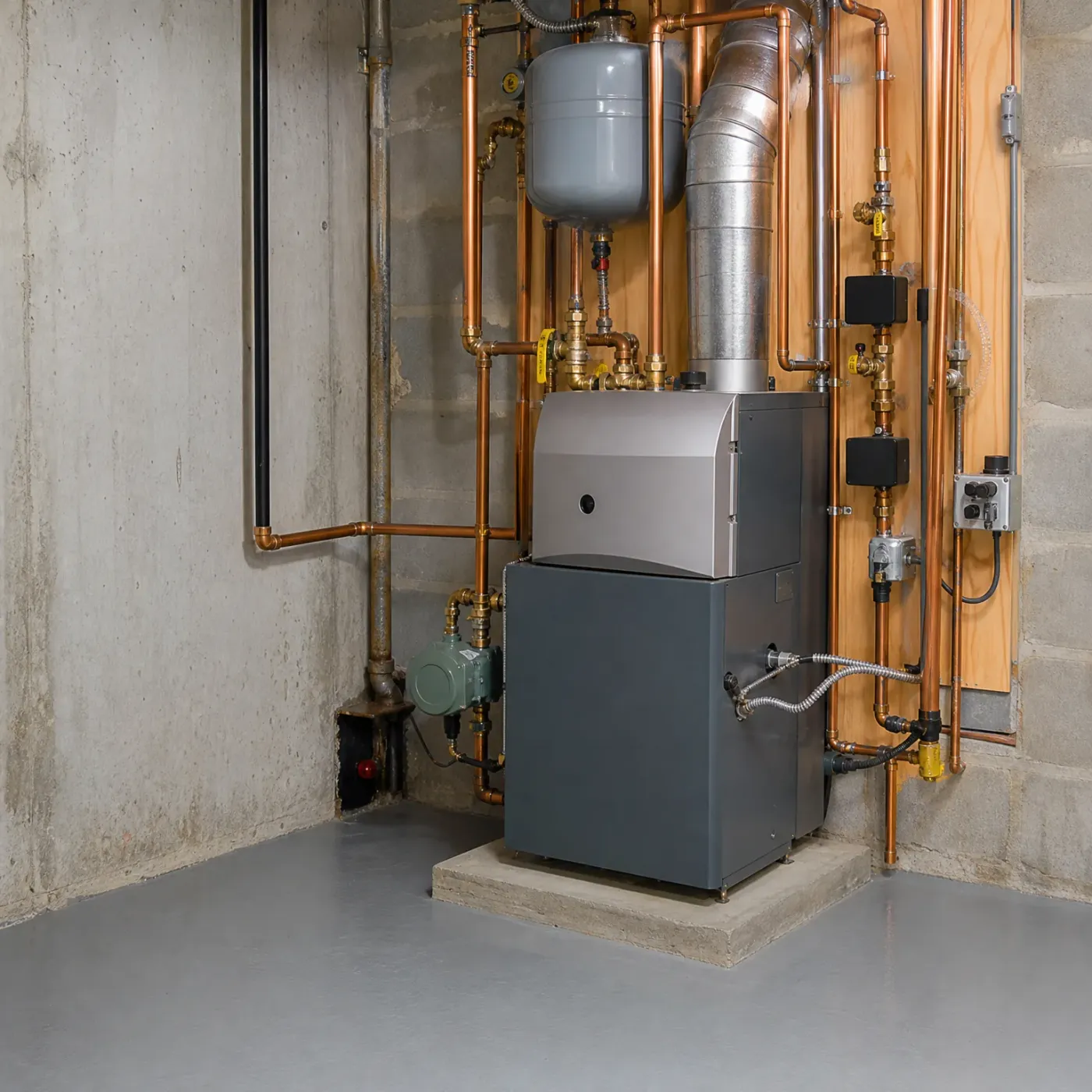
Water heats in the boiler, then the circulator pump sends it out through copper lines to every baseboard unit in the loop. Inside each baseboard cover, that hot water runs through a copper pipe wrapped in aluminum fins, and those fins give off the heat as room air moves across them. One loop usually feeds several rooms, so if air gets trapped in the line, it can sit in one baseboard and block the water behind it while the rest of the loop still runs fine. That's what the bleed valve at the end of the unit is for. Open it and trapped air escapes so water can fill the fin tube the whole way through. Zone valves add another layer, opening and closing to route hot water to specific areas of the house. If one sticks shut, that zone stays cold while the others warm up on schedule. And if the aquastat is misreading the water temperature, the boiler can shut off early, before the water going out to your baseboards is hot enough to do its job.


Most Iowa boiler systems split into zones. A stuck zone valve can leave an entire loop of baseboard cold while the rest of the house heats fine.
Trapped air stops water from reaching the far end of a baseboard run. Bleeding the line is a boiler repair, not a baseboard problem.




A cold baseboard in January isn't something to sit with while you wait for a gap in the forecast. Iowa winters don't give you one, and a boiler that's short-cycling or a zone valve that's stuck won't fix itself by spring. Most houses here run on gas, so the fix is usually a part or a control, not the whole system, but finding which one takes someone who's opened up enough of these units to know where to look first. That's the piece you don't have to carry. Once you send the request, you're not the one calling around trying to find a contractor who works on boilers and has room on the schedule. That search is handed off. You keep living in a house that's heating unevenly a little while longer, but you're not the one doing the legwork to end it, and that's the part most people underestimate about getting cold rooms fixed before the rest of winter sets in.
A cold baseboard unit does more than leave one room chilly. Water that can't circulate through a stuck zone valve or an air-locked line sits there while the boiler keeps firing to satisfy a thermostat that never sees the heat it's calling for. That shows up on the gas bill before it shows up as a repair you can point to. Meanwhile the room behind that cold baseboard loses ground fast once nights drop into the teens and twenties, and a closed door won't hold the warmth from the rest of the house for long. If it's a bedroom, that's where you'll feel it first, at the one time of day you're not moving around to stay warm. Left alone, a stuck zone valve or a failing circulator pump doesn't tend to fix itself. It's more likely you lose a second zone, or the boiler starts short-cycling trying to keep up, than that the problem quietly goes away before spring.
At 15 below... no, at an overnight average of 15°F, your boiler is firing most of the night just to hold the house steady. A stuck zone valve or air pocket doesn't just leave one room cold, it means the loop feeding that baseboard goes quiet for hours at a stretch.
NOAA nClimDiv 1991-2020 county normals weighted by homes
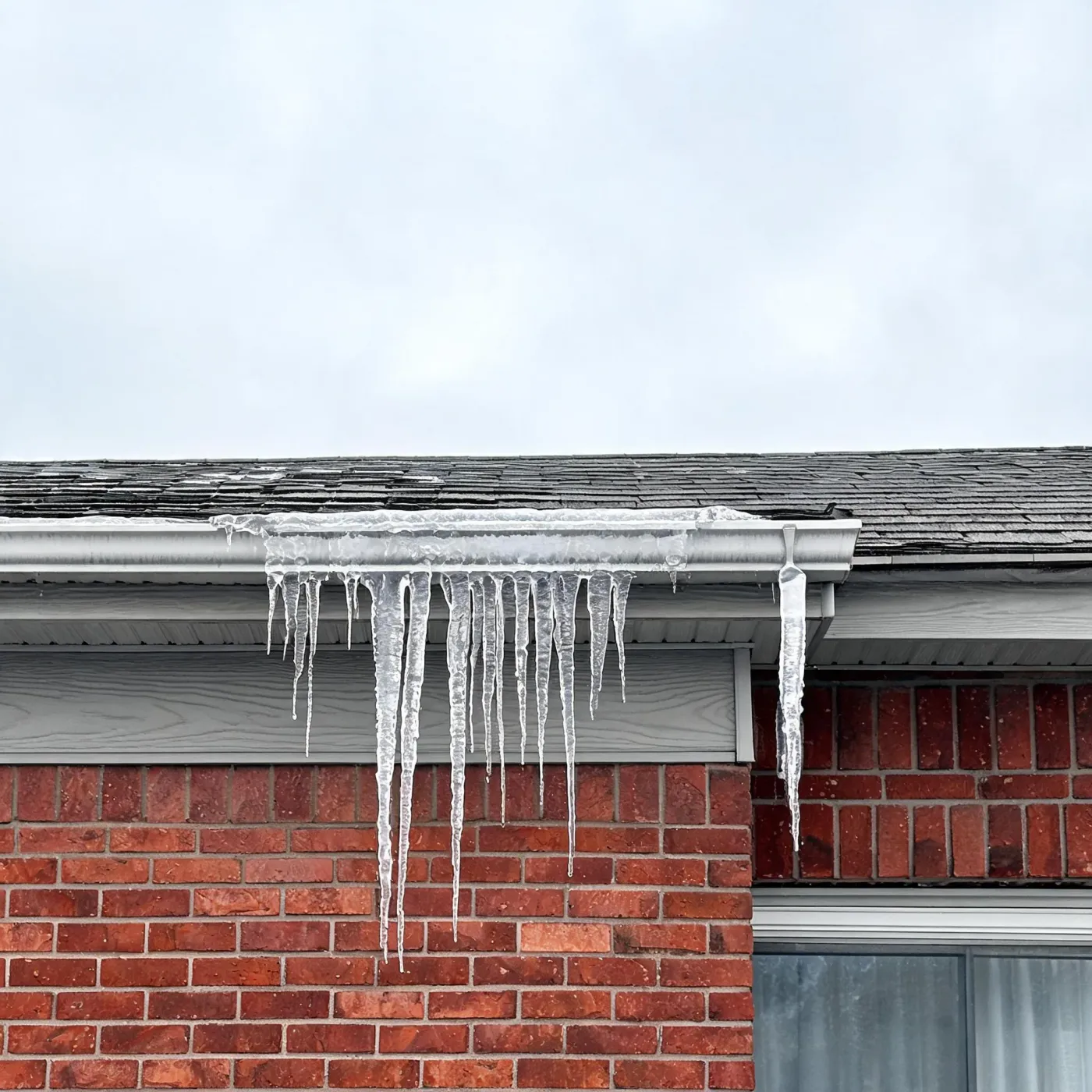
Statewide, winter nights average 15°F, according to NOAA. At that temperature your boiler is firing on and off most of the night just to keep the water loop up to heat. If a zone valve is stuck or air is trapped in a line, that loop misses its turn again and again through the night, and by morning the baseboard in that room is still cold while the rest of the house is fine. You'd notice it first as a room that never quite catches up, no matter how long the boiler runs.
NOAA nClimDiv 1991-2020 county normals weighted by homes

Somewhere between the boiler and that cold unit, something is keeping hot water from making the full trip. A stuck zone valve, trapped air, a pressure problem. Whichever it is, the fix is the same kind of work either way: someone has to find the one part in that loop that isn't doing its job and get water moving through it again.
You don't have to be the one who figures out which it is. Once you send the request, that part stops being yours to carry. A contractor who knows these systems gets your details and reaches out, and from there it's their job to trace the loop, find what's stuck, and get every baseboard in the house back to doing what it's supposed to do.

Asking costs nothing, and the choice to hire stays yours.
A boiler that keeps firing against a stuck zone valve or a trapped air pocket isn't getting better on its own, and another cold night won't fix it. Send the request and a contractor who works on Iowa boiler systems will reach out to sort out which part is holding your heat back.