

What size boiler an Iowa home needs
A local installer who puts in boilers gets your project.
Find my proWhat size boiler do I need for my Iowa home?
You're ready to put in a boiler and want to know what size fits a house like yours. Pick one too small and it never quite catches up on the coldest days. Pick one too big and it cycles on and off, wearing out parts sooner than it should. In Iowa, where winters push a furnace or boiler hard for months, getting this number right matters more than in places that barely use heat at all.
The right size comes from a heat loss calculation, not your home's square footage alone
A boiler sized for your home is based on how much heat the house loses on the coldest day of the year, not just how many square feet it covers. A contractor figures this with a room by room heat loss calculation, which accounts for your windows, insulation, ceiling height and how the walls are built. Two houses the same size can need different sized boilers because one loses heat faster than the other. In Iowa, where winter temperatures drop well below freezing for weeks at a stretch, an undersized boiler will run constantly and still fall short on the coldest nights. An oversized one will short cycle, switching on and off more than it should, which wears on the parts over time.
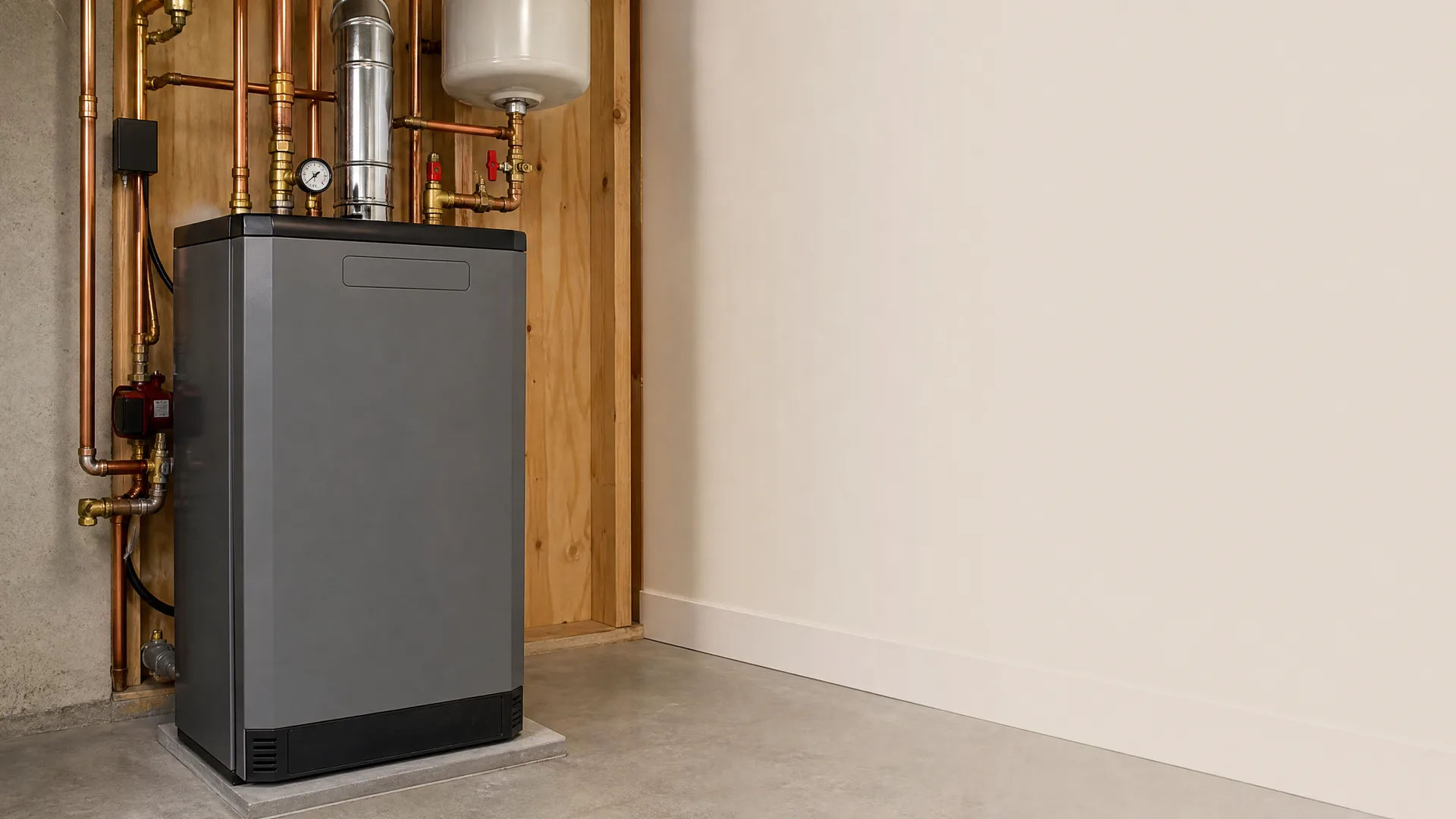
Sizing runs on heat loss, not square footage
A contractor figures boiler size with a heat loss calculation, room by room, using your walls, windows and ceiling height. Square footage alone leaves out too much. Two houses the same size can need different boilers if one has more window area or higher ceilings. That calculation is what points to a correct output in BTUs, not a chart or a rule of thumb.
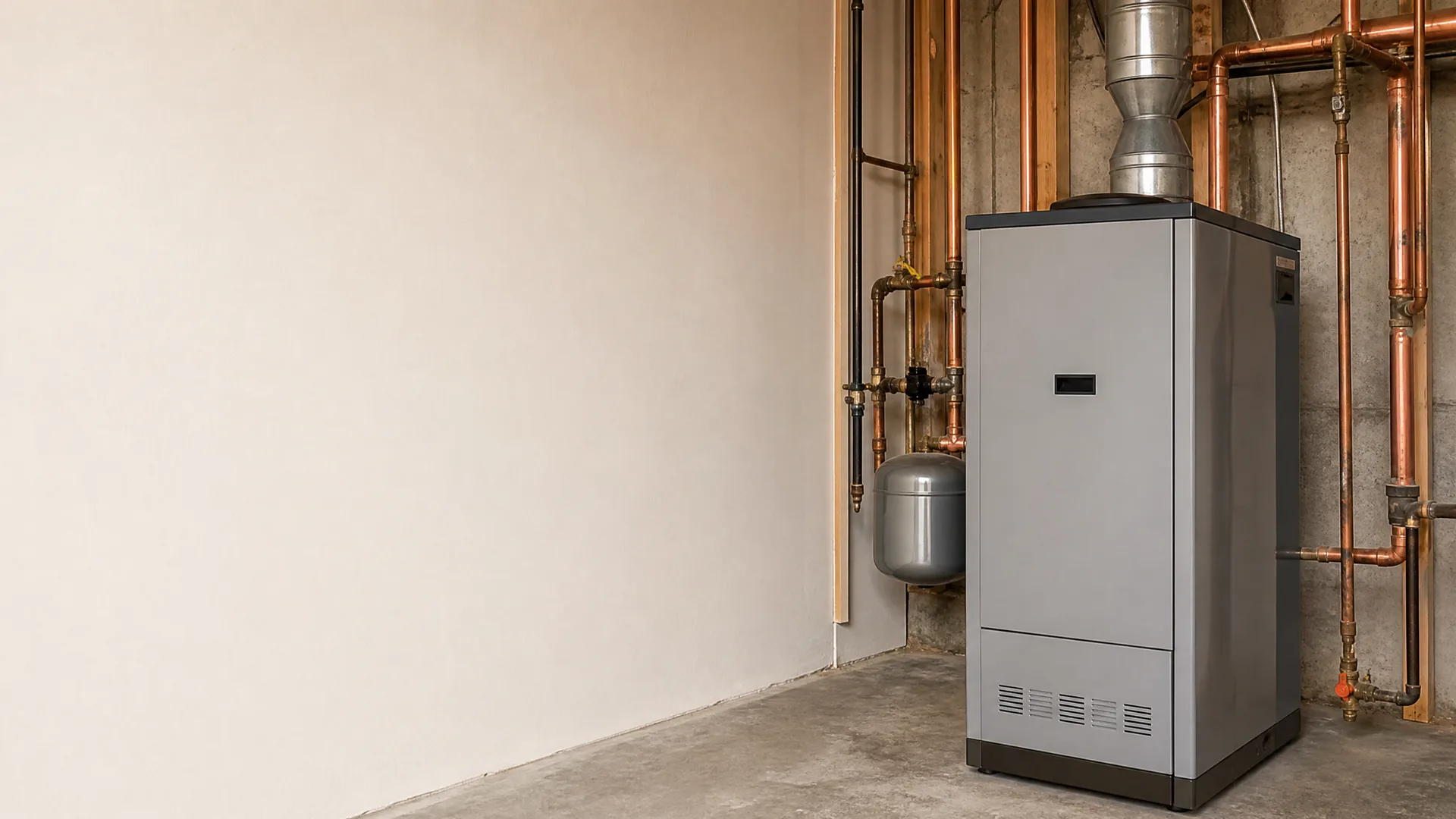
The old boiler isn't a sizing guide
If your current boiler came with the house, its size doesn't tell you what you need now. Boilers were often oversized out of habit for years, and insulation or window changes since then shift the number either way. A contractor sizing a replacement starts over from the house as it stands, not from the rating plate on the unit being replaced.
Winter nights average 15°F statewide
A 15°F night is what your boiler is actually sized for, not a mild evening in October. Whoever runs the heat loss calculation needs that number to land on a boiler that keeps up when it's coldest, not just comfortable on an easy day.
NOAA nClimDiv 1991-2020 county normals weighted by homes




Get your boiler to the right pro
A heat loss calculation is the right way to size a boiler, but it still takes someone walking through your house, measuring windows, checking insulation, and running the numbers for your address. You could call around Iowa looking for a contractor willing to do that calculation instead of just guessing off square footage, then do it again with the next one, and compare what each comes back with. Or you could answer a few questions here and have a contractor who does this sizing work reach out to you directly. Winter in Iowa doesn't leave much room for a boiler that's wrong for the house, too small on the coldest nights or too big and cycling itself ragged for years. Getting the size right starts with getting the right person to look at your house. That's the part worth handing off.
The Right Size Comes From Your House
- Boiler size for your house comes from a heat loss calculation, not a square footage chart.
- That calculation has to use a cold night near 15°F, since that's the day your boiler has to cover.
- Two Iowa homes the same size can need different boiler sizes once walls, windows and ceiling height are counted.
- A boiler sized too small won't keep up on the coldest nights, and one sized too big cycles more than it should.
- Getting the right number means someone measuring your house in person, not guessing from a chart.
There's no shortcut that works here. A boiler for your Iowa home has to be sized off your house, your walls, your windows, how much ceiling you're heating, and what a 15°F night does to all of that. A chart based on square footage can't see any of that, so it guesses, and a guess that's wrong either leaves you cold in January or leaves your boiler cycling more than it should for years afterward. The only way to get the number right is a heat loss calculation done by someone standing in your rooms.
That's the part that takes the time. Finding someone to do it is the part that doesn't have to. Left on your own, you'd be calling contractors around Iowa one by one, explaining your house and your situation to each one, waiting on callbacks, and then trying to compare quotes that may not even be sized the same way. That's hours spent before anyone's even looked at your walls.
Once you're matched with a contractor, that search ends. You explain your house once, to someone who'll actually come measure it, and the heat loss calculation happens from there. The sizing question gets answered the way it has to be answered, by someone who's actually been inside your home, not by a formula that treats every house the same.
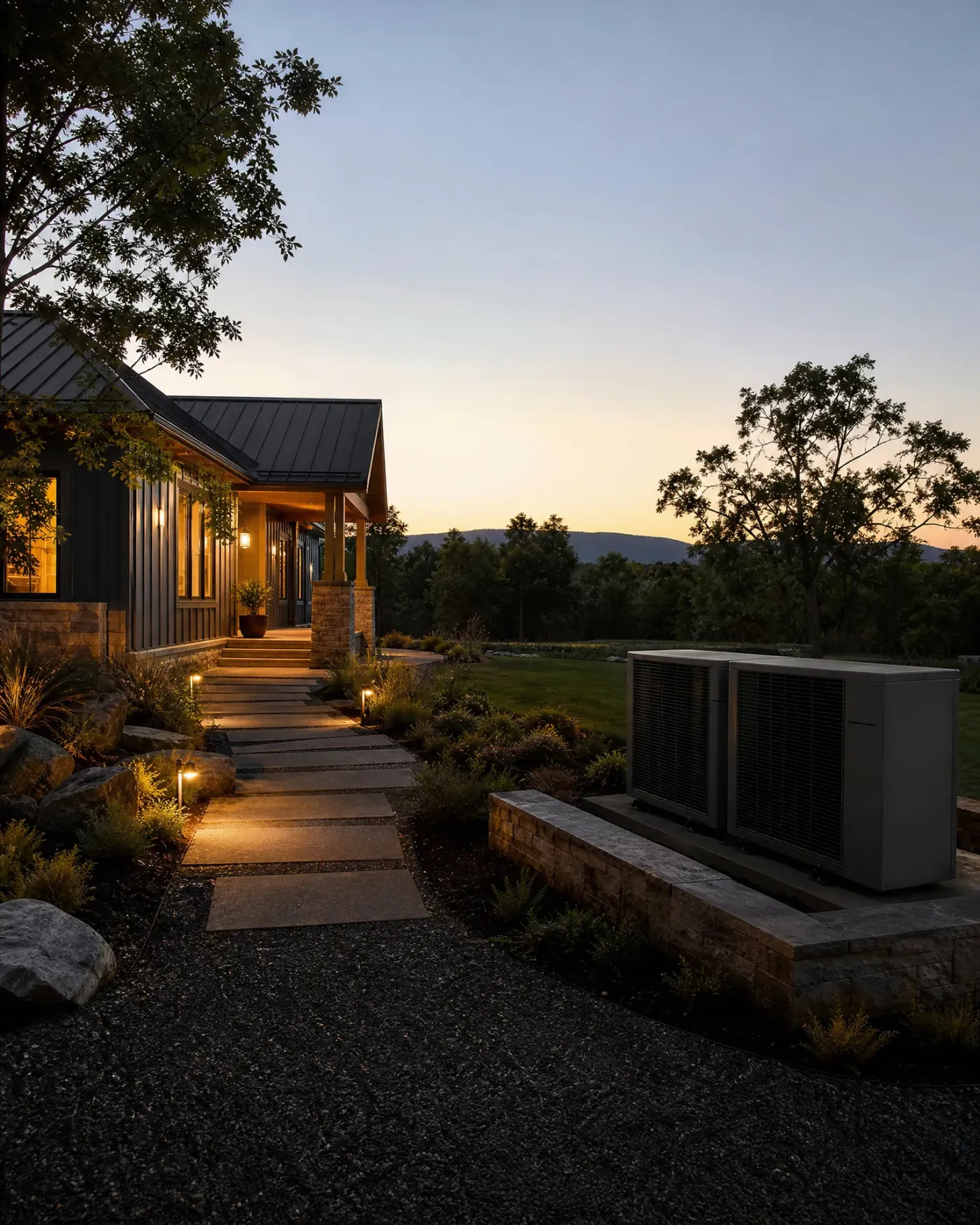
Boiler Installation
The right pro for this job
- Say what's going on with your boiler, and a pro who works on them reaches out.
- A local pro who knows boilers gets your details and gets in touch.
- One request and the search for a pro is handled.
- Send it once and finding someone is no longer on you.
- Skip the round of in-home estimates for a new boiler.
- Describe the project once instead of to every installer.
- One installer gets your project, so there's no bidding war over it.
- Only one pro gets your request, so you hear from one company.