Profile view of a bearded man wearing a dark baseball cap and a dark gray T-shirt against a plain off-white background.

How to bleed radiators before an Iowa winter

Step 1 of 3: Equipment

How do I bleed my radiators before winter hits in Iowa?

Before the cold sets in, it's worth checking your radiators while you still have time to deal with whatever you find. If a radiator was gurgling last winter, or the top stayed cold while the bottom got hot, that's trapped air, and it's worth clearing now rather than during the first cold snap when you want the heat working right away.

Open the bleed valve on each radiator until water runs out steady

Use the radiator key on the small valve near the top, usually on one end. Turn it slowly and you'll hear air hissing out first. Keep a cloth under it, because once the hissing stops, water follows, and you want to close the valve right as that happens. Work through every radiator in the house, not just the one that's been noisy, since air can sit in others without you noticing yet. Trapped air is what keeps the top of a radiator cold while the bottom heats fine, and it makes the boiler work harder to push heat through the system. Doing this before the furnace really has to run all winter means the boiler isn't fighting air pockets on the first cold morning.

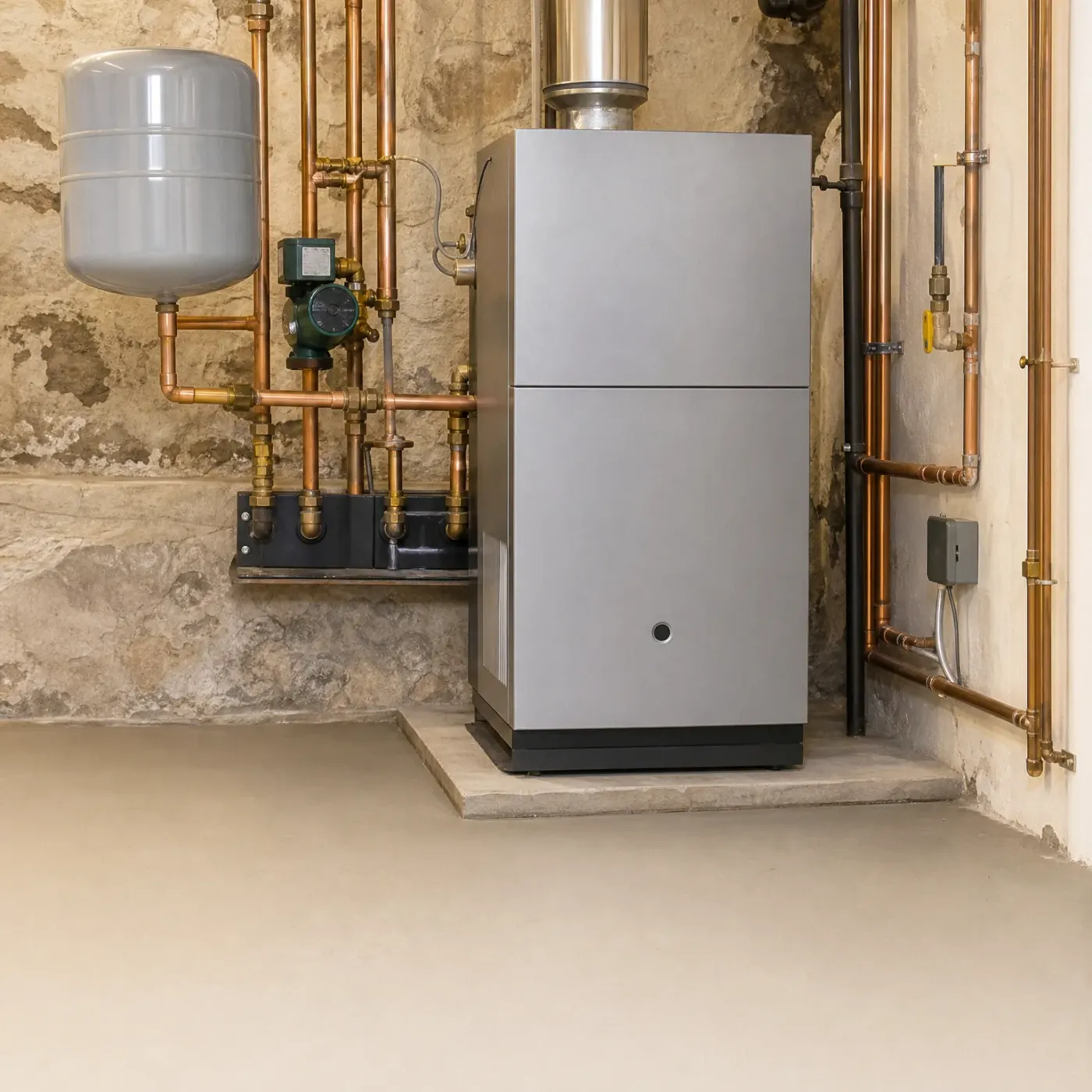
A gray boiler unit with a flue pipe stands on a concrete pad in a basement, surrounded by copper piping, a circulator pump, an expansion tank mounted on a stone wall, and an electrical outlet.

Bled and running right

Heat moves through the radiator top to bottom with no gurgling. The pump and expansion tank are doing their job, pressure holds steady, and every room gets warm evenly. This is what a boiler looks like once trapped air has been cleared out before the cold arrives.

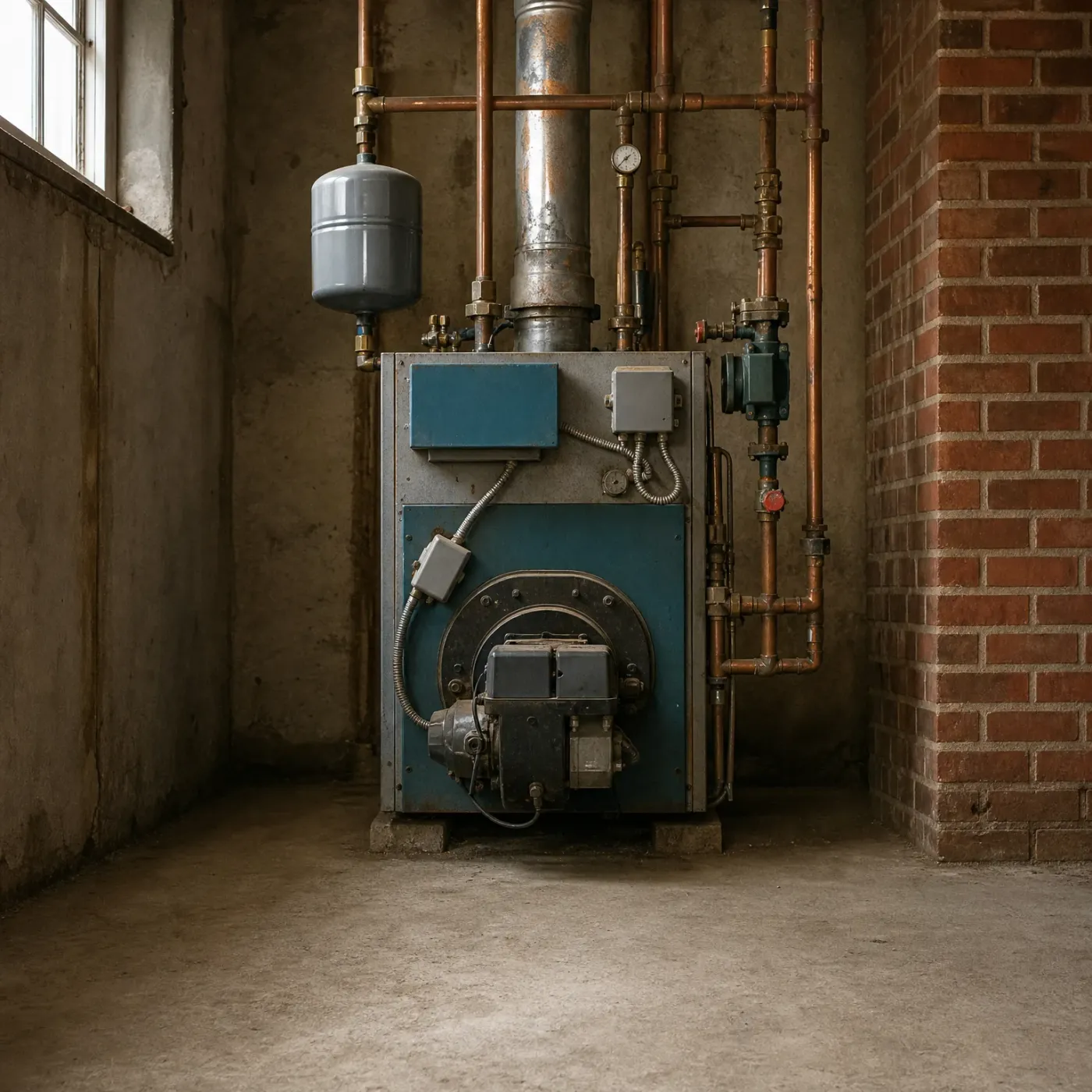
A blue cast-iron boiler with a burner unit, gauges and copper piping stands in a concrete-floored basement room beside a red brick pillar and a window.

Air trapped, working harder

A radiator with air in it stays cold at the top even as the boiler runs. The pump pushes harder to move water past the air pocket, and the pressure gauge drifts as the system struggles to balance. Left alone through an Iowa winter, that strain only builds.

A man in a blue sweatshirt reclines with closed eyes in a brown leather armchair in a living room with a bookshelf, houseplant, sofa, window, and a side table holding newspapers and a dark mug.
A bearded man in a gray pullover reclines with closed eyes on a brown leather sofa in a sunlit room with a window, framed picture, potted plant, and a wooden cabinet holding papers and a dark mug.
A man in a gray sweater leans back with closed eyes in a brown leather armchair beside a wooden side table holding a dark mug and a folded newspaper, with bookshelves and a window seat behind him.
A man in a green sweater reclines in an armchair with his eyes closed and a slight smile, beside a window with plants, a small table holding a mug and folded newspaper, and bookshelves behind him.

Water picks up air whenever the system is topped off or drained for a repair, and that air has to go somewhere. It rises, since air is lighter than water, and it ends up trapped at the highest point it can reach inside each radiator. That's the top corner, which is why the bleed valve is built into the system there and nowhere else. Work through the radiators that sit farthest from the boiler first. Air tends to settle in those runs before it ever gets back to the ones close by, so starting there clears the whole loop faster. Turn the key or flathead slowly and let the air hiss out. Once it switches from air to a steady spit of water, the radiator is clear and you close the valve. Expect the boiler's pressure gauge to drop some after you've bled a few radiators. That's normal, but it usually needs topping back up before you're done. If one radiator still heats unevenly once the air is gone, the problem likely sits inside it, a stuck valve or something blocking flow, not air anymore.

What's Actually Happening Inside

  • Air gets into the system when water is added or when the boiler drains down for any kind of repair work.
  • Trapped air rises to the top of each radiator, so the bleed valve sits at the top corner for a reason.
  • Opening the valve with a radiator key or flathead lets air hiss out until water starts to spit, then you close it.
  • Bleed the radiators farthest from the boiler first, since air tends to collect there before it reaches the ones nearby.
  • Once air is cleared, check the boiler pressure gauge, since bleeding almost always drops it and it may need topping up.
  • A radiator that still won't heat evenly after bleeding may have a stuck valve or a blockage further inside it.
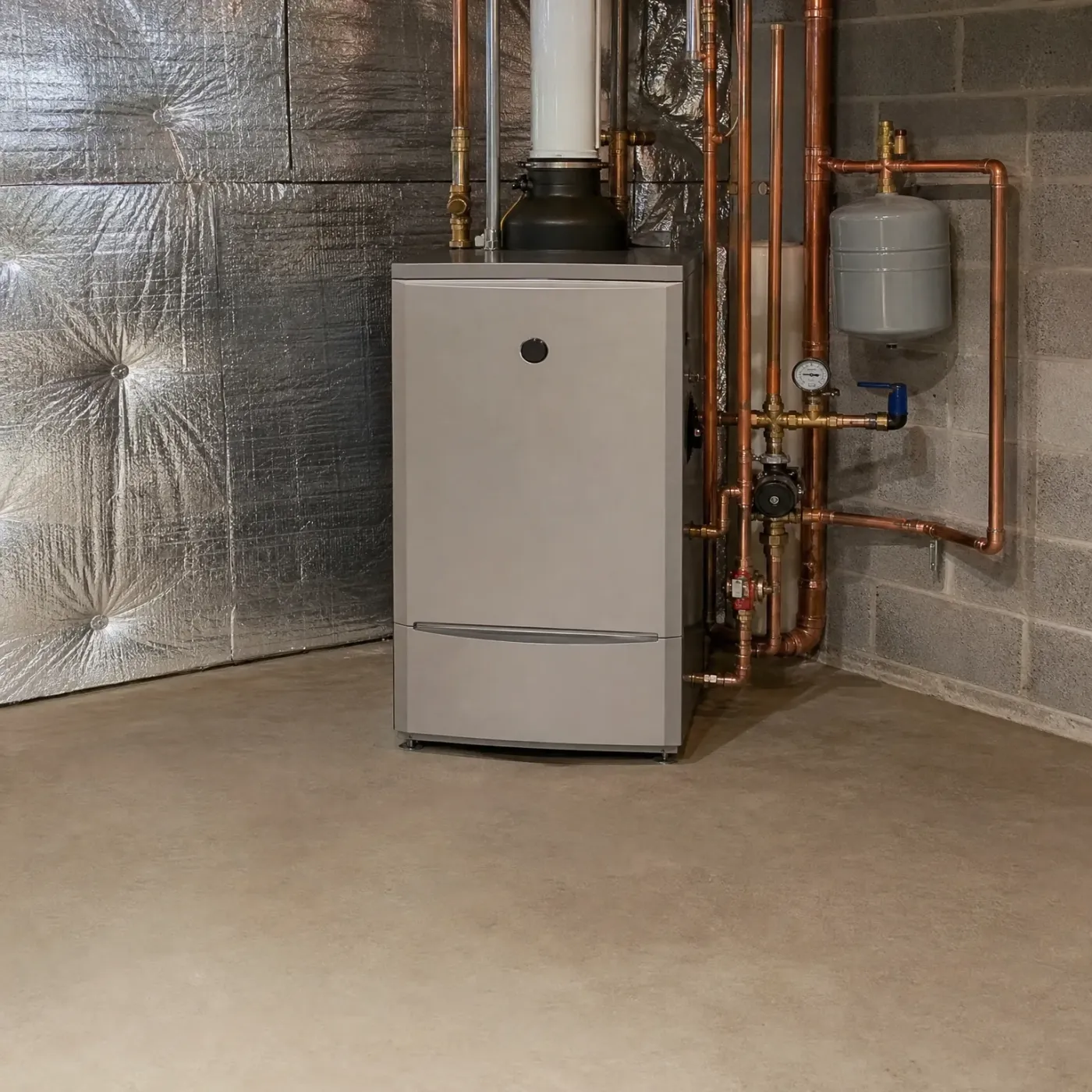
A gray residential boiler in a basement corner with copper piping, a circulator pump, pressure gauge, blue-handled valve and gray expansion tank against a concrete block wall, next to a foil-insulated wall.
Pressure steady, every pipe fitting dry, the system quiet with air already worked out of it.
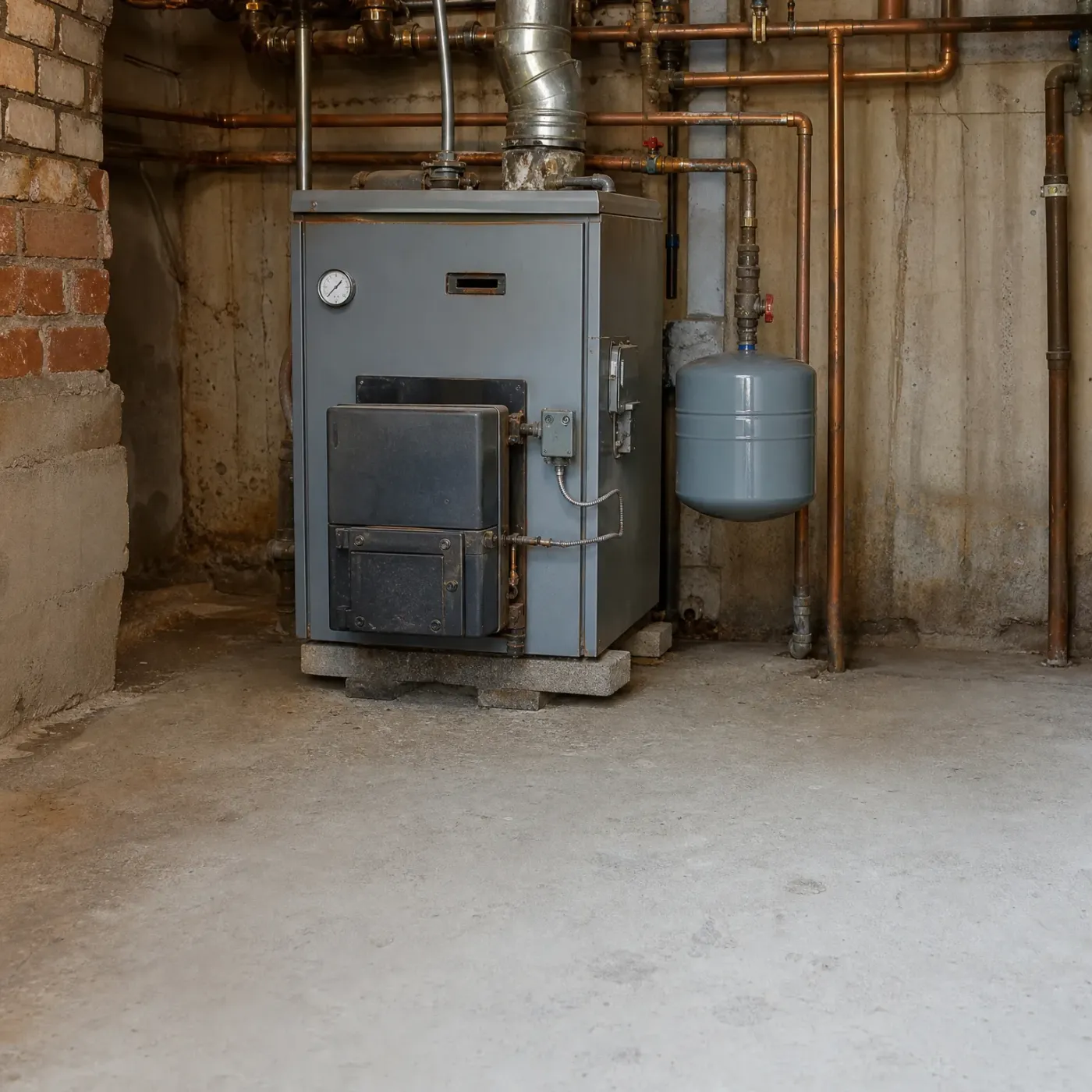
A gray boiler on a concrete block base in a basement, with copper piping, a metal flue, and a gray expansion tank mounted beside it against a concrete wall.
Rust and scale on an older boiler like this make trapped air harder to clear and easier to miss.

A radiator with air trapped in it will keep heating, just not well, and the furnace or boiler burns gas longer to make up for it. That shows up as a higher gas bill before anyone figures out why. The cold room gets a space heater running on top of the boiler, which is paying twice for the same warmth. Left alone, trapped air sits against the same spot in the radiator every day, and that's where rust starts on the inside of an older unit. A boiler that's low on water from a slow leak at a stuck valve can run hot and shut itself down on a January night, which is a worse night to find a repair person than now. None of this is an emergency yet. It's the kind of thing that's cheap to fix in October and expensive to ignore until February, and the difference is whether you bled the radiators while the weather still gave you room to work.

An older man with gray hair and a beard leans back on a beige sofa with his eyes closed, in a sunlit room with potted plants, a wicker chair and large windows behind him.
A woman in a cream knit sweater sits in an armchair with her eyes closed and a slight smile, beside an open window showing orange autumn foliage, with a mug, books and a lit candle on a small side table.

Let someone else find the pro

Bleeding a radiator yourself takes a key and a few minutes, but once you've gone around the whole house and pressure still won't hold, or one radiator stays cold no matter how long you let it run, that's not air anymore. It's a valve that needs repacking, a pump losing its prime, or a boiler that's been due for a look for longer than anyone wants to admit. Iowa winters don't leave much room for a boiler to sit half working while you wait for a free afternoon. Send the request and a local contractor who services this kind of system all season, who's seen what usually goes wrong with boilers like yours, gets it, not a handful of companies all calling at once. That's one less thing to track down yourself before the cold settles in for good.

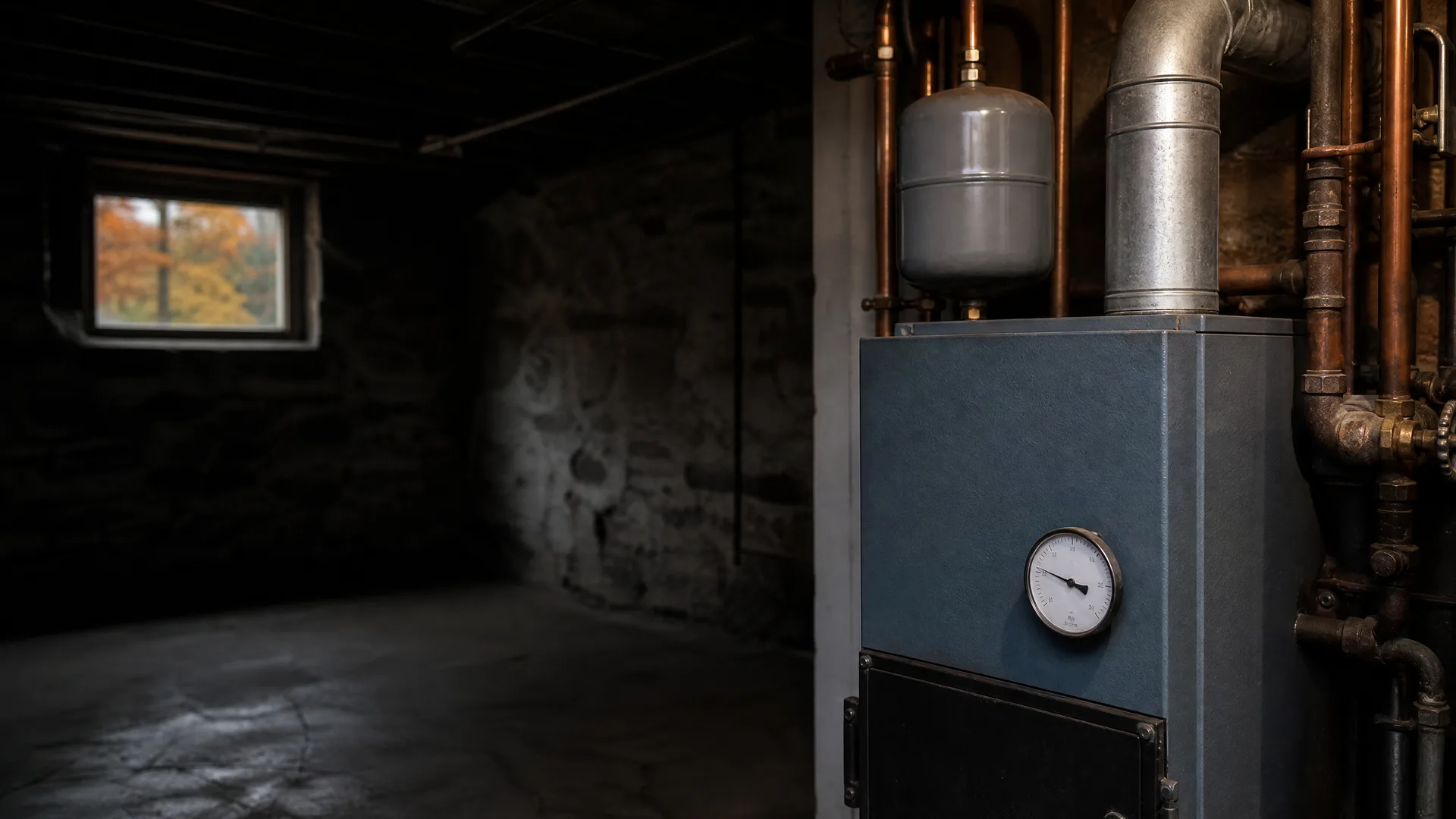
A dark basement with stone walls and a concrete floor, showing a blue-gray boiler with a round pressure gauge, an expansion tank, and copper and metal pipes on the right, and a small window with orange autumn foliage outside on the left.

The basement is cool enough that you notice your breath for a second when you come down. Leaves are down outside, and the boiler has been cycling on and off since last week. You crouch by it anyway, out of habit more than worry, and check the pressure gauge mounted on the front. The needle sits low, under where it was in the spring. You tap the glass once, the way you always do, but it doesn't move. Upstairs the living room radiator has been taking longer to warm up lately. You stand there a moment, looking at the gauge, already thinking about where you left the radiator key.
Winter nights average 15°F statewide

Those 15 degree nights are when a boiler with trapped air shows itself. The burner runs longer trying to heat rooms that stay half warm, and a radiator that gurgles in October won't quiet down once the real cold sets in. Bleeding it now means the system can actually keep up when it matters.

NOAA nClimDiv 1991-2020 county normals weighted by homes

Where this leaves you

  • Bleeding each radiator before the cold hits lets the boiler heat every room without working harder than it should.
  • A key, a few minutes per radiator, and a steady pressure gauge afterward tell you the job is done.
  • A radiator that still won't hold heat after bleeding points to a valve or a pump, not trapped air.
  • A local contractor who services boilers all season knows which parts on an older system tend to fail first.
  • Sending one request means one contractor calls, not a string of them competing for the job.
  • Checking now, while the basement is still just cool, beats finding out on the first 15 degree night.

Bleeding the radiators is a small job, and it tells you a lot once it's done. Steady pressure and even heat in every room means the air is out and the boiler can stop working around the problem. A radiator that stays cold after you've bled it is telling you something else. That's a valve or a pump, and it needs someone who knows the difference between the two before more gas gets burned guessing.

That's where a local contractor matters more than a big name. Someone who services boilers all season in Iowa has seen which parts on an older system give out first, the kind of thing you only learn from doing this job winter after winter here. Send one request and it goes to one contractor, not a handful of companies calling to compete for the work. You check the radiators once, you send the request once, and the rest stops being something you have to manage.

Doing this while the basement is still just cool, not cold, is the whole point. A gurgling radiator in October is easy to deal with. The same radiator on a 15 degree night in January is a different conversation, usually one that starts with a cold room and a space heater instead of a key and a few spare minutes. You already know what to listen for now. The next step is getting someone out to look at whatever the bleeding didn't fix, before the real cold makes that harder to ignore.

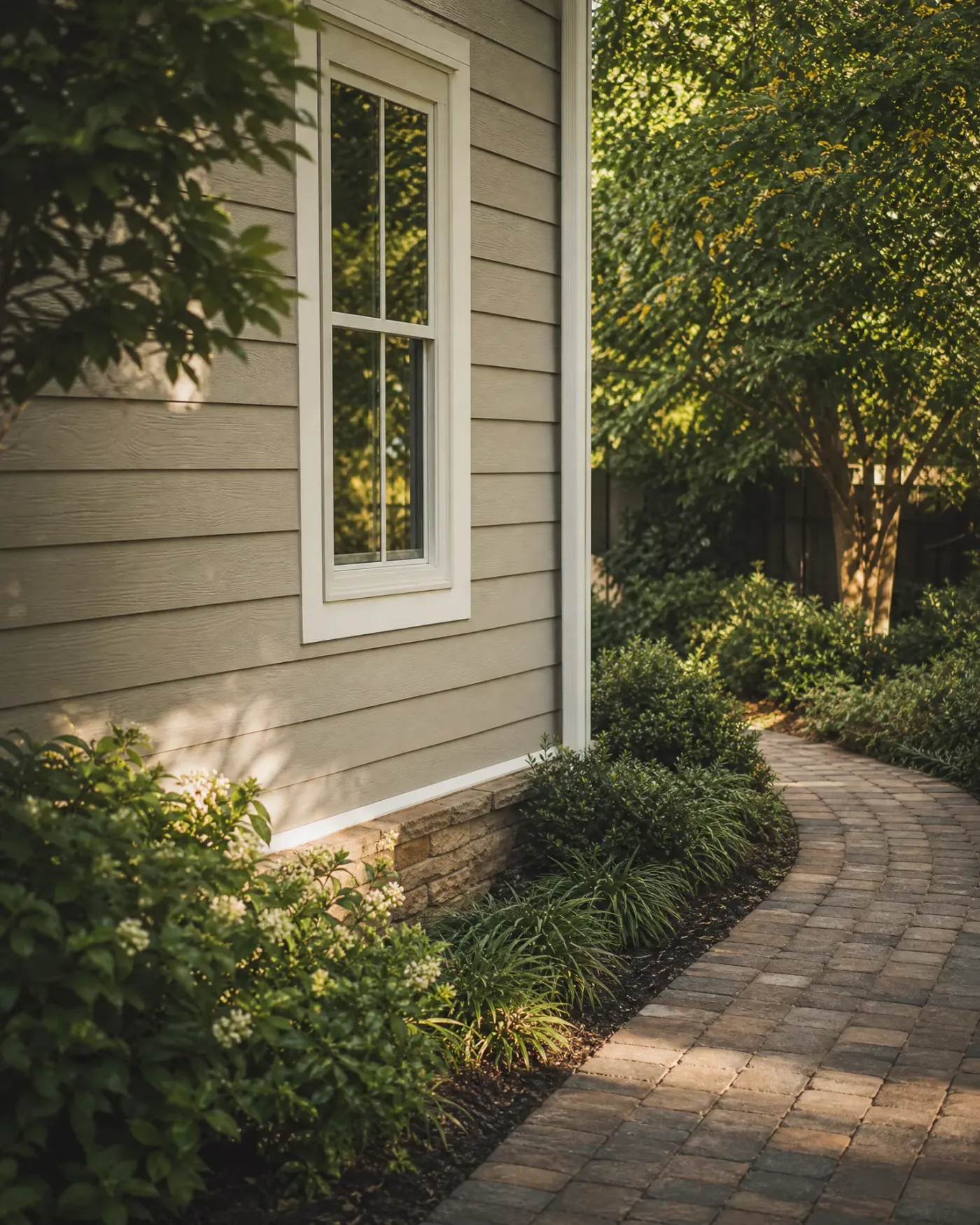
A curving paver walkway runs alongside a house with beige lap siding and a white-trimmed window, bordered by low shrubs, grassy plants, and trees in sunlight.
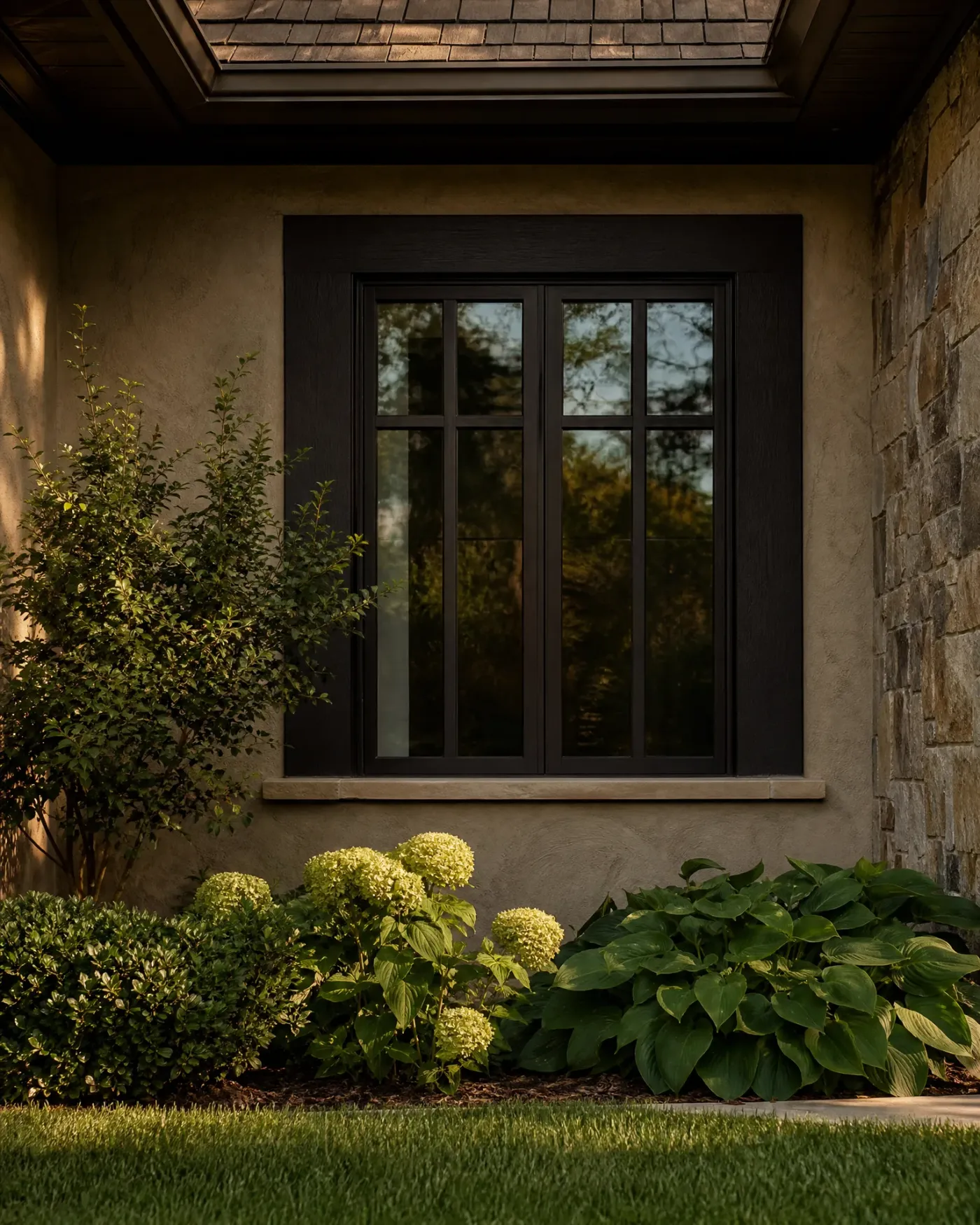
A dark-framed casement window with divided upper panes set in a stucco wall beside a stone-clad section, with hydrangeas, hostas and trimmed shrubs in a mulched bed above a lawn.
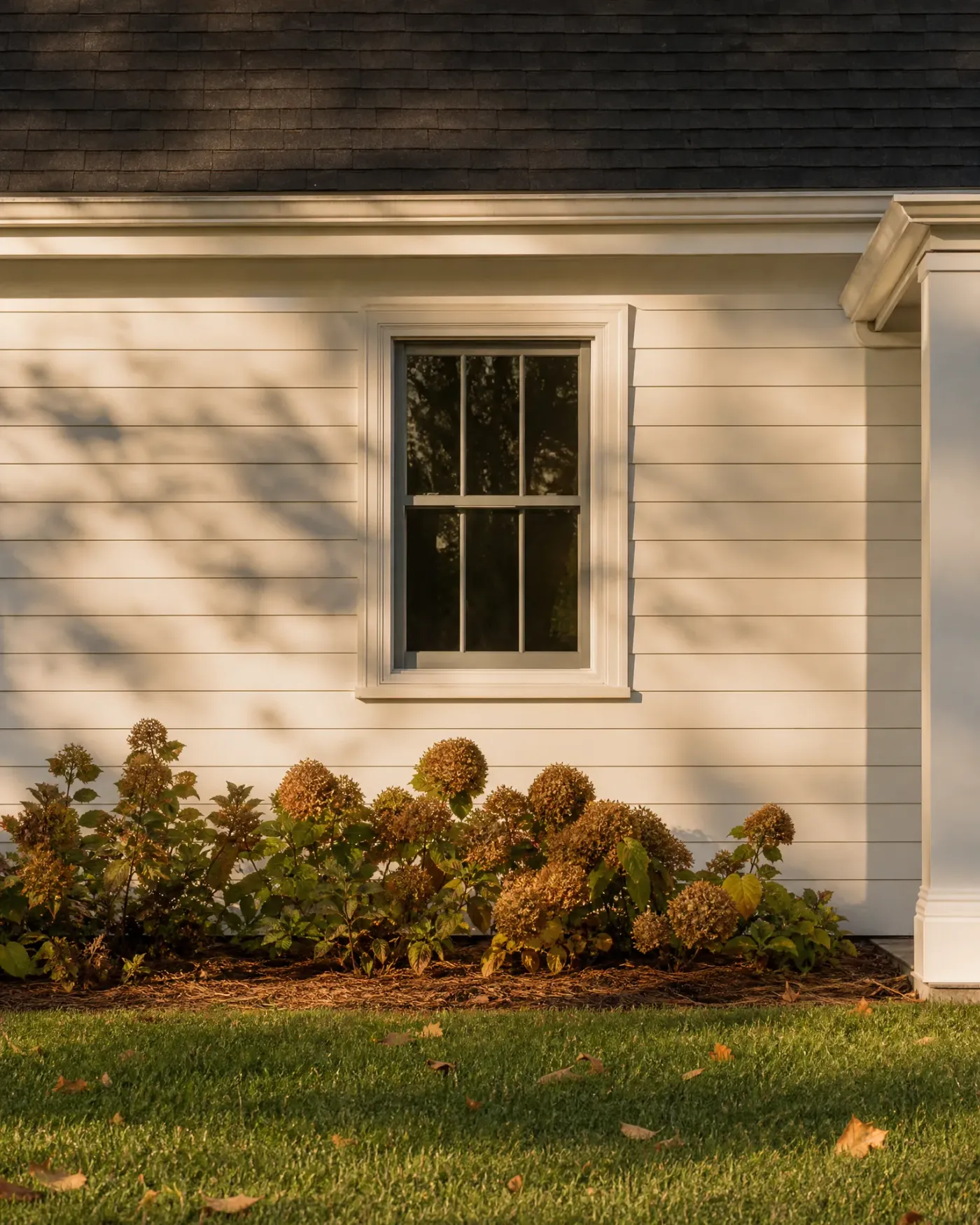
White horizontal lap siding wall with a single six-pane double-hung window, above a mulched bed of hydrangea shrubs with browning blooms, bordered by mown grass in low sunlight.
Interior corner with tan plaster walls, a potted olive tree in a large terracotta urn beside a floor-to-ceiling window, and a wooden bench with a beige cushion on a herringbone brick floor partly covered by a woven jute rug.
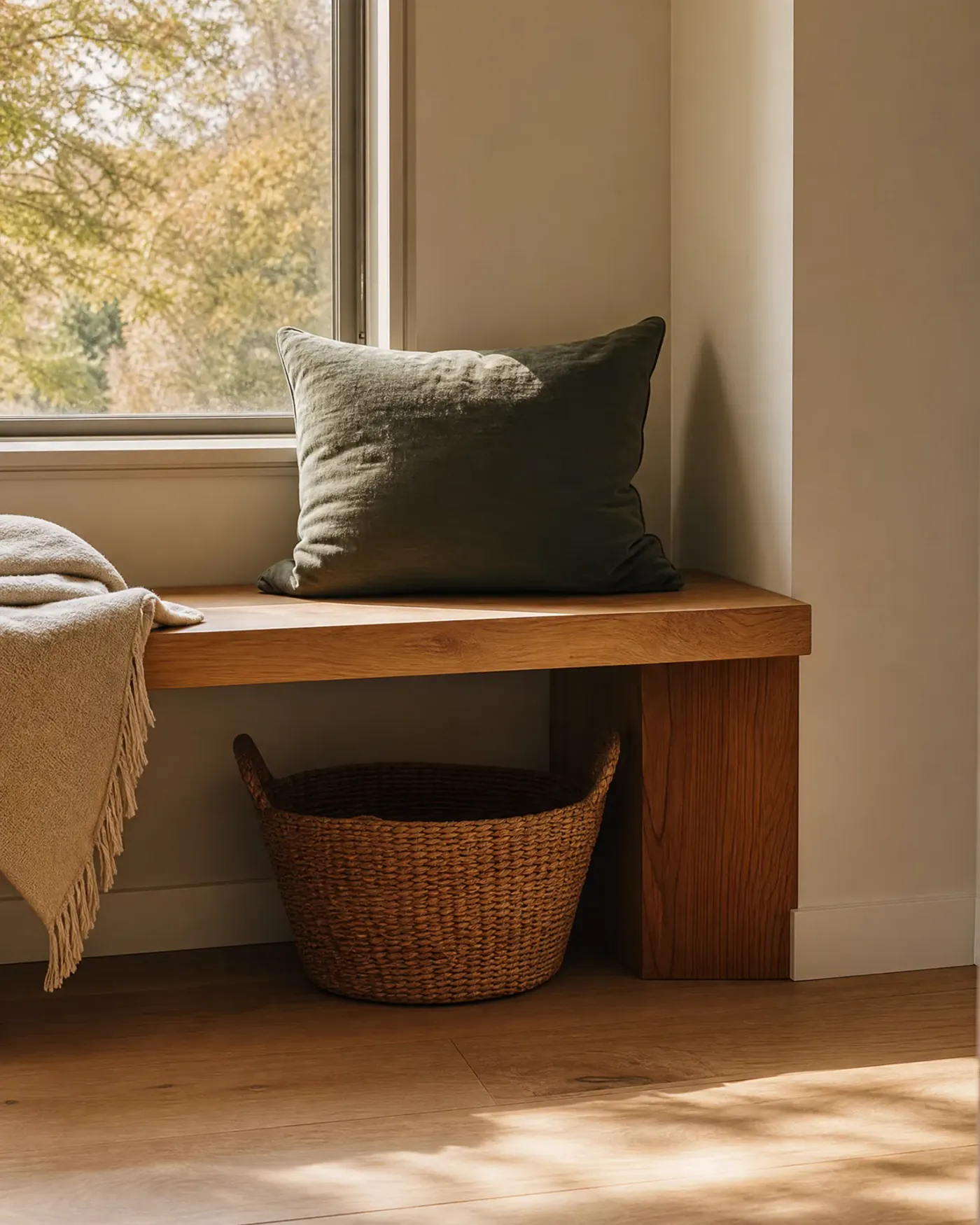
A wooden bench beneath a window holds a green linen cushion and a fringed cream throw, with a woven basket stored underneath on a wood plank floor.

One request and it's handed off

Your request stays with one local pro.

Find a local pro

Sending the form costs nothing.