Tell us about the job
Takes about a minute. No obligation.
A boiler in this county has been running against genuine seasonal pressure, and that shows up inside the equipment in ways that shape how a contractor reads a fault. 193 severe weather events were recorded in Marion County, Iowa between 2015 and 2024. At that rate, wear on heat exchangers, valves, and controls reflects more than ordinary use, and a contractor working a repair here checks those components for stress-related deterioration before settling on a cause. A failed part is as likely to trace back to sustained load as to any single incident.
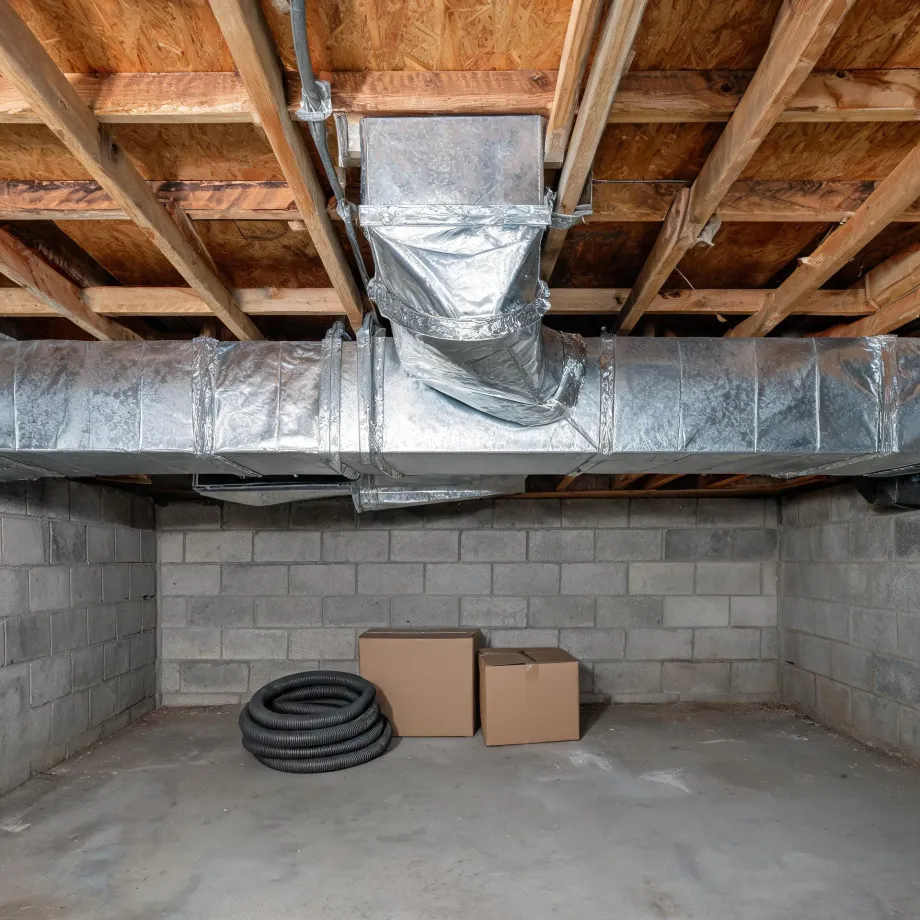
Piping runs, zone valves, and expansion tanks in houses this age were installed for equipment that no longer exists in the market, and what a contractor finds once a boiler is open depends heavily on what those original components have become since. Half the homes in Marion County, Iowa were built in 1975 or earlier (2020-2024 ACS 5-year). That vintage of construction means the boiler itself may be the newest thing in the system, and a repair that looks straightforward on the surface can stall on a corroded fitting or a part that the supply chain stopped stocking years ago. The opened unit tells part of the story; the distribution system tells the rest.
The Parts of a Boiler a Contractor Checks First
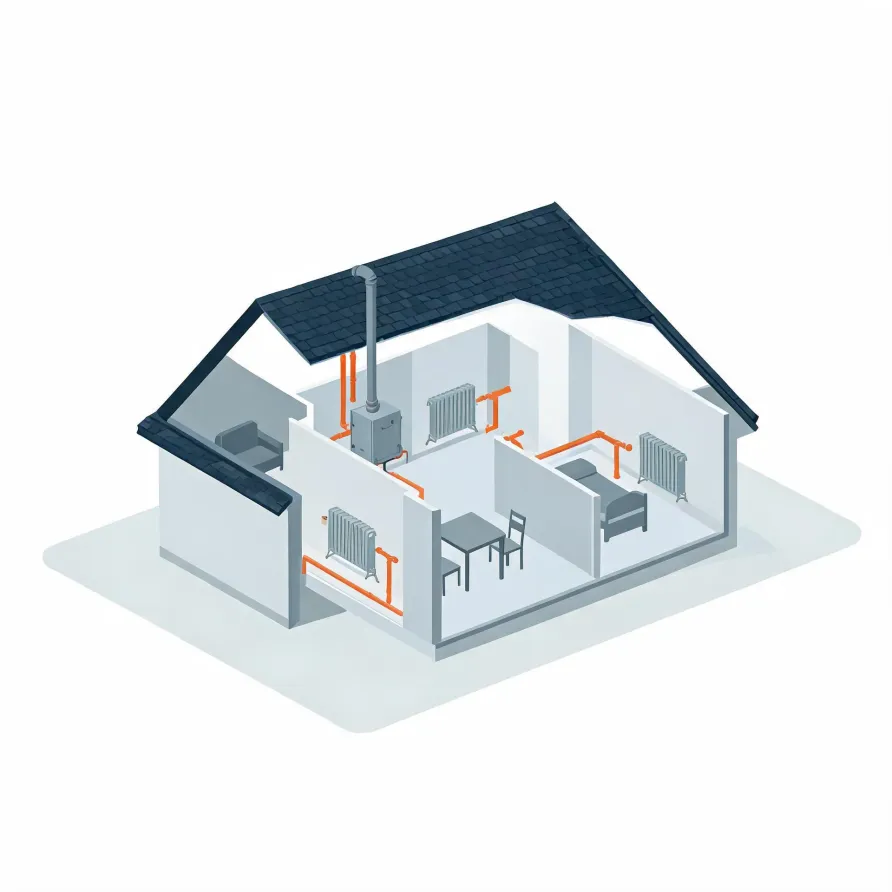
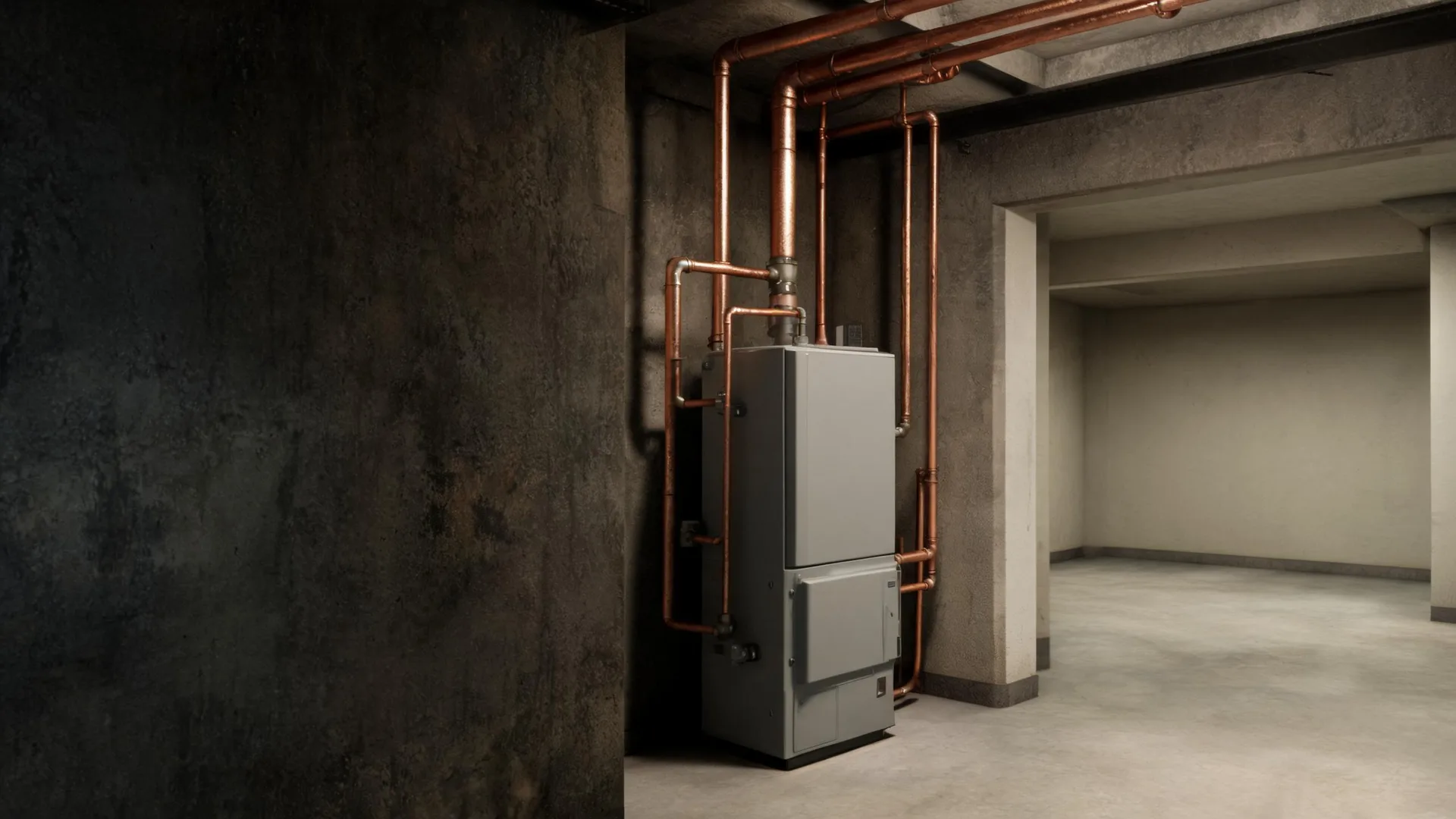
The boiler itself sits in the basement or a utility room and is the heart of the system. It heats water and pushes it out to the rest of the house. When pressure is off, the burner fails to fire, or the heat exchanger cracks, the problem starts here, and a contractor looks at this unit before anything else.
From the boiler, pipes carry hot water to radiators or baseboard units in each room, where the heat is released into the living space. The circulator pump moves that water through the loop, and the expansion tank keeps pressure stable. A faulty pump or a waterlogged expansion tank can stop heat from reaching rooms even when the boiler itself is running.
The drawing shows a general layout of these components, and a licensed contractor determines what applies to the specific system in your home.
Get matched in Marion CountyMarion County, Iowa, by the numbers
193 severe weather events were recorded in Marion County, Iowa between 2015 and 2024.
NOAA National Centers for Environmental Information, Storm Events Database, bulk CSV export, events 2015-01-01 through 2024-12-31.Half the homes in Marion County, Iowa were built in 1975 or earlier (2020-2024 ACS 5-year).
U.S. Census Bureau, 2020-2024 American Community Survey 5-Year EstimatesMarion County, Iowa holds 14,386 housing units (2020-2024 ACS 5-year).
U.S. Census Bureau, 2020-2024 American Community Survey 5-Year EstimatesOwners occupy 77.7% of the occupied homes in Marion County, Iowa (2020-2024 ACS 5-year).
U.S. Census Bureau, 2020-2024 American Community Survey 5-Year EstimatesCodes & Standards Governing Boiler Repair in Marion County, Iowa1 sourced rules and standards
Licensing and Legal Requirements in Marion County, Iowa
Iowa requires a state licence to install or repair HVAC, refrigeration, mechanical or plumbing systems, and to operate as a contractor, with exceptions listed in section 105.11.
Severe Weather Events in Marion County
Boilers work harder when outdoor conditions push heat loads to their limits, and Marion County's weather record shapes how much strain local equipment absorbs over time. That workload history is what makes boiler repair here a local question, not a generic one.
193 severe weather events, 2015–2024. Source: NOAA National Centers for Environmental Information, Storm Events Database.